Lunar New Year Holiday 2026
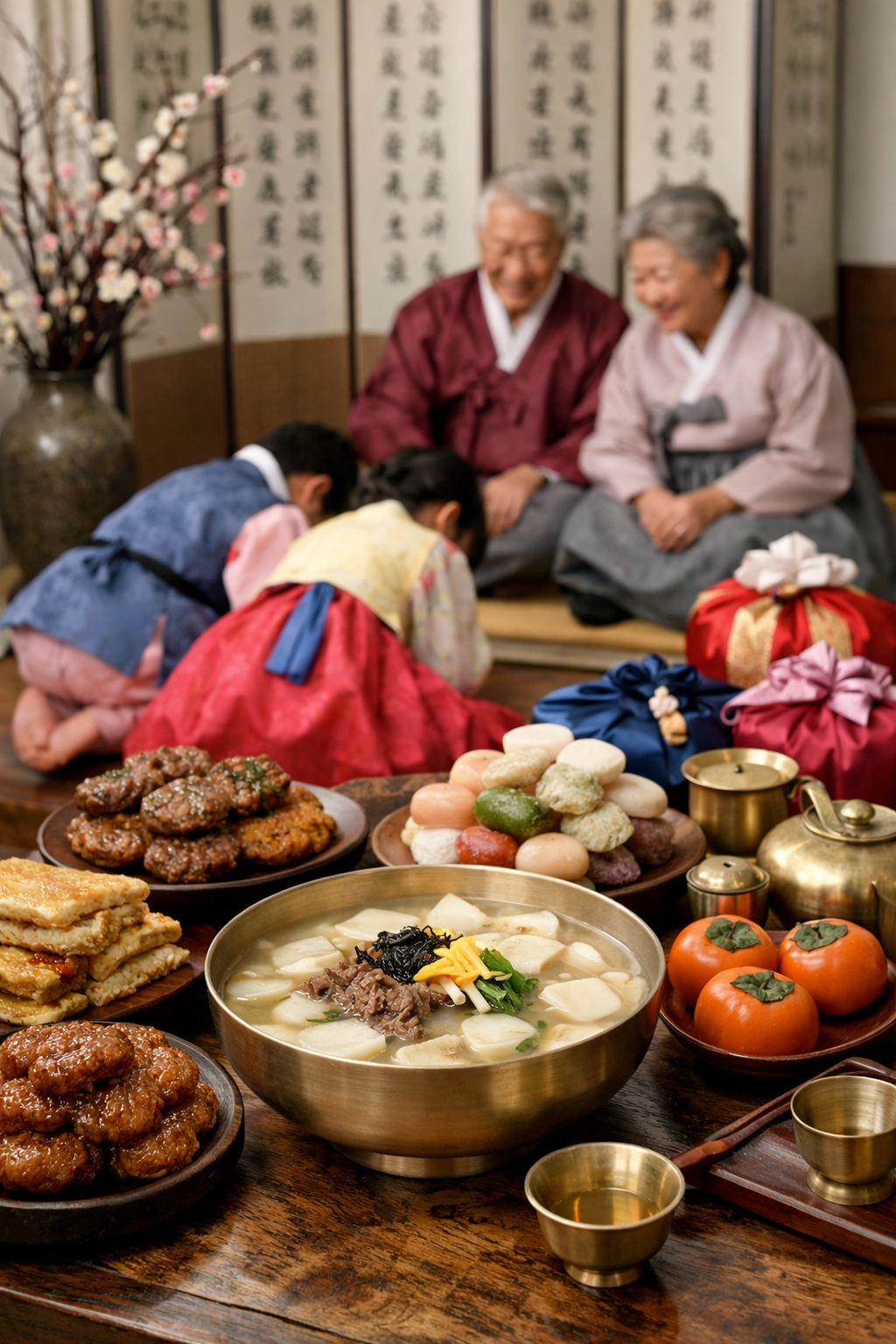
January 1st, Seollal follows the lunar calendar and usually falls between late January and mid-February. In 2026, Lunar New Year will be celebrated in early February, and it will be observed as a national public holiday in Korea. Most offices, schools, and government institutions will close for several days as families gather to honor their ancestors and spend time together.
The Lunar New Year Holiday in Korea will be observed from February 16 (Monday) to February 18 (Wednesday), 2026, with Seollal itself falling on February 17 (Tuesday). During these three official public holiday days, most businesses, offices, and government institutions will be closed as families gather to celebrate together.
What is Seollal?
Seollal marks the first day of the lunar calendar year. It is a time for:
- Family reunions
- Paying respect to ancestors through traditional rituals (Charye)
- Sharing traditional meals
- Giving blessings and well wishes for the new year
It is similar in importance to Christmas or Thanksgiving in Western countries.
Traditional Customs
1) Ancestral Ritual (Charye)
Families prepare a ceremonial table with traditional food and perform a ritual to honor their ancestors. This is a core cultural tradition reflecting Korea’s
Confucian heritage.
2) Sebae (New Year’s Bow)
Younger family members bow deeply to elders and say, “Saehae bok mani badeuseyo” (Receive lots of blessings in the New Year). In return, elders give
money gifts known as “Sebae Money.”
3. Traditional Food
The most symbolic dish is Tteokguk (rice cake soup). It is believed that eating tteokguk makes you one year older in Korean tradition.
Other common foods include:
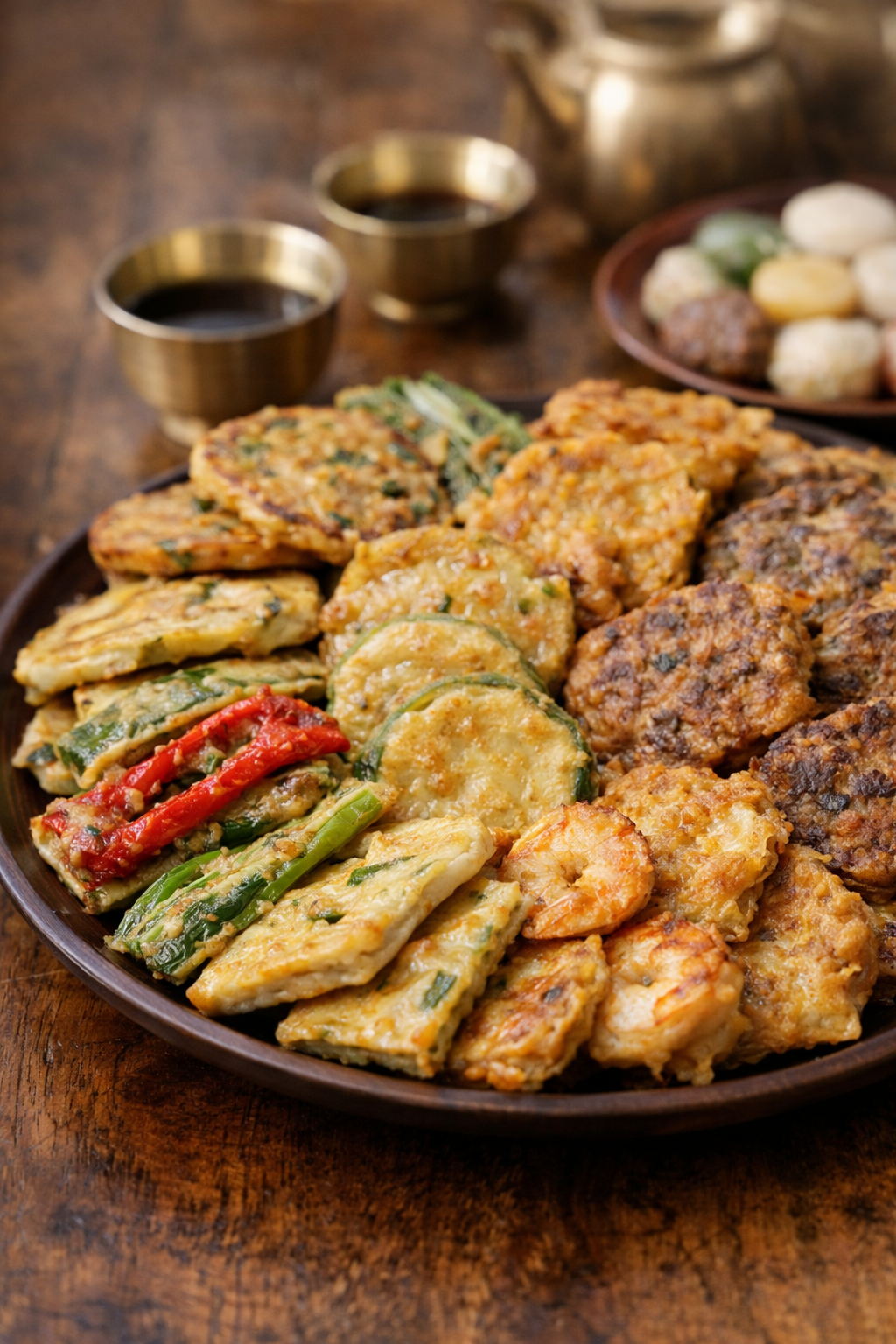
Jeon
(savory pancakes)
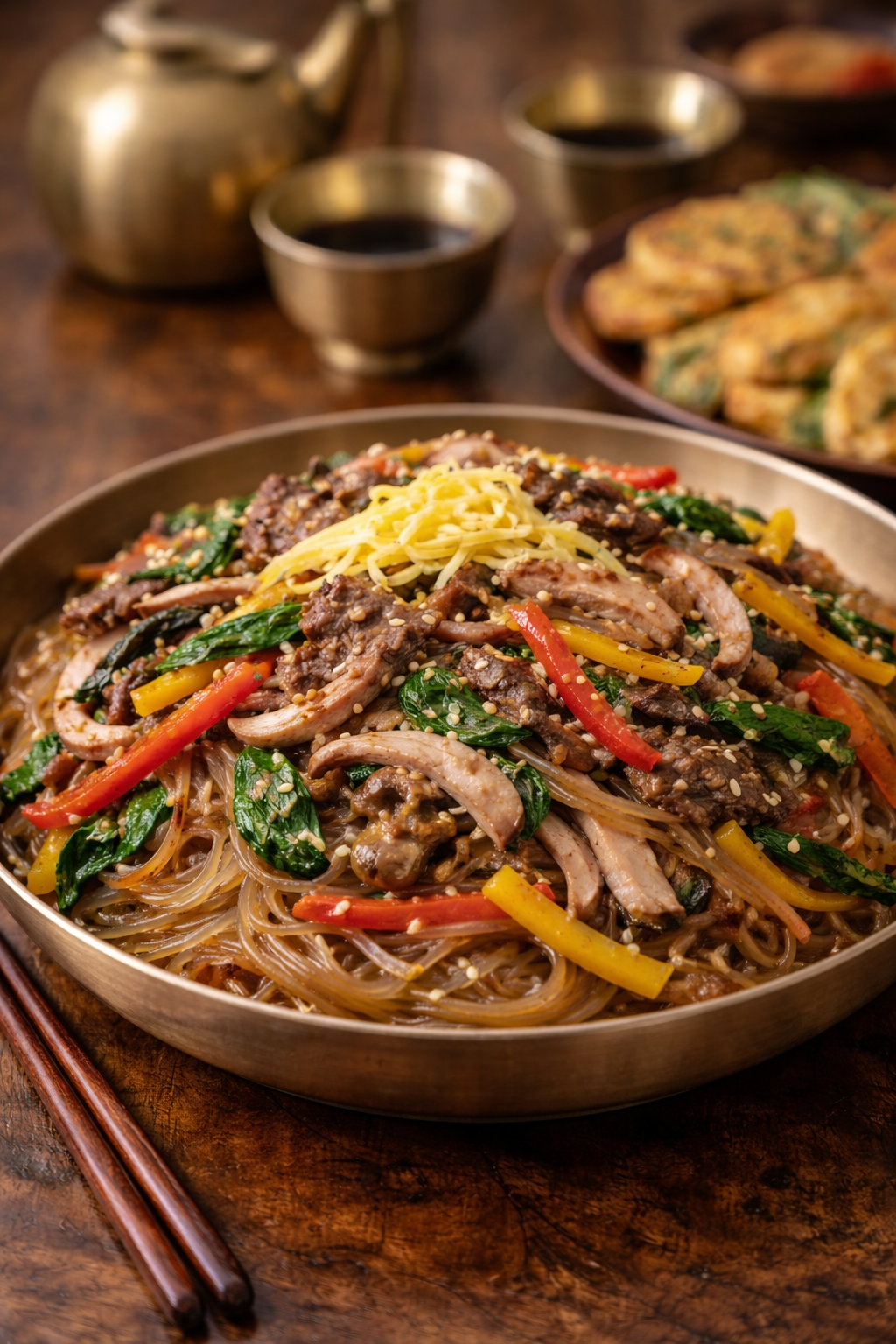
Japchae
(glass noodle stir-fry)
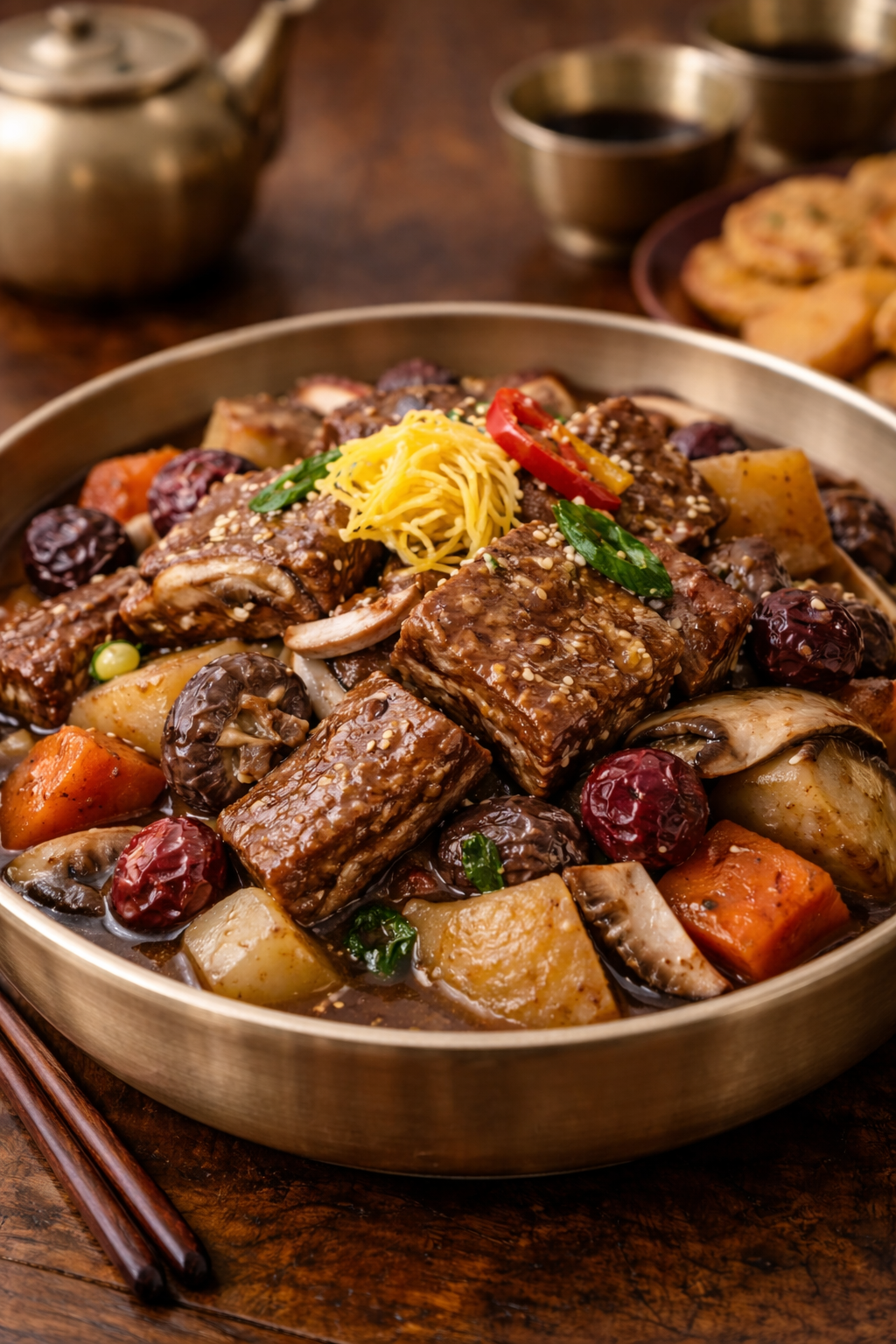
Galbi
(braised ribs)
Travel Tips for Foreign Visitors
If you are visiting Korea during Lunar New Year 2026:
● Book train and bus tickets early
● Expect some restaurants to be closed
● Tourist attractions may have special holiday programs
● It’s a great time to experience authentic Korean culture
While daily life slows down, it is also one of the best times to see traditional clothing (Hanbok), folk games, and family-centered celebrations.
Why It Matters
Lunar New Year is not just a holiday—it reflects Korea’s deep cultural roots, respect for elders, and strong family values. For international visitors, it offers a unique opportunity to observe living traditions that have been preserved for centuries.