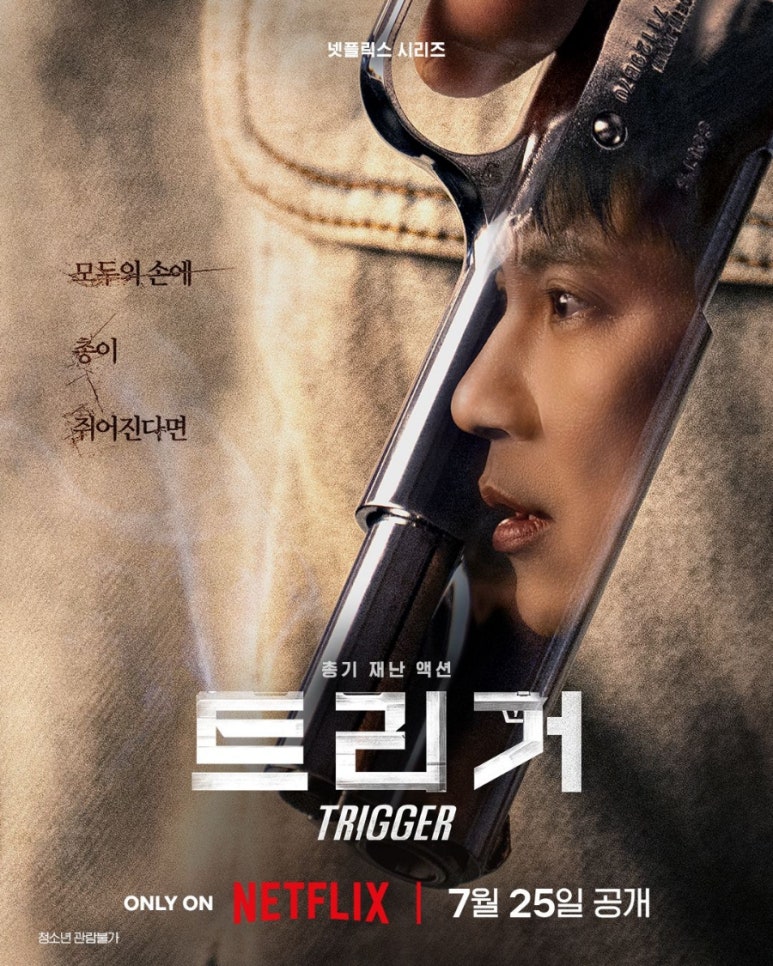
Premiered on July 25, 2025, Trigger is a 10-episode Netflix original thriller that imagines a modern Korean society thrown into chaos by the anonymous delivery of illegal firearms nationwide. The story follows Lee Do, a former military sniper turned police officer, as he investigates the origins of these weapons and faces a deepening web of violence and conspiracy. This hard-hitting drama explores fear, justice, control, and empathy—posing a haunting question: What happens when everyone holds a gun?
Domestic Reception & Ratings

Since its release, Trigger quickly climbed to the top of Netflix Korea’s rankings.

Naver SeriesOn Rating: 7.8/10

Watcha: around 4.0/5

CGV: 3.6/5

Rotten Tomatoes: 100% Fresh

Viewers praised the show for its powerful performances, gritty storytelling, and intense pacing. Actor Kim Nam-gil’s portrayal of Lee Do drew particular acclaim. Many noted it as “one of the most gripping Korean thrillers in recent memory” and lauded its bold concept and emotional execution.
In-Depth (Non-Spoiler) Description

The series begins with a surreal crisis: firearms are mysteriously delivered to ordinary citizens via parcel delivery.
Lee Do (played by Kim Nam-gil), a seasoned ex-military sniper now working as a police officer, is assigned to the case. As gun-related incidents escalate, he finds himself confronting not only violence but the disintegration of social order.

Throughout his investigation, Lee encounters citizens from all walks of life—students, workers, gangsters, and ordinary civilians—each reacting differently to having a gun in hand. One chilling subplot involves a young man preparing for civil service exams, whose loneliness and rage drive him to violence after receiving a weapon.

Rather than focusing solely on action, the series delves into the psychological impact of firearms on individuals and the collective psyche. The symbolism of the gun transforms each character differently—some see it as power, others as protection, and many as a catalyst for fear and paranoia. Trigger masterfully layers each episode with socio-political undertones, making the viewer ponder the fragile balance between freedom and security.
Detailed (Spoiler-Included) Description

As the investigation deepens, Lee Do uncovers a massive underground firearms trafficking network connected to IRU (International Rifle Union)—a criminal organization operating under the radar. The mastermind behind the operation is revealed to be Moon Baek (played by Kim Young-kwang), a man shaped by a traumatic childhood involving abduction and abuse. His objective? To destabilize Korean society by triggering fear and distrust through widespread gun ownership.

Moon Baek’s philosophy is nihilistic: by arming the powerless, he believes he can collapse existing hierarchies and expose the hypocrisy of law and order. As public protests escalate into armed clashes and trust between citizens crumbles, the streets of Korea transform into battlegrounds.

Lee Do, now isolated and disillusioned, must confront Moon Baek in a final showdown. Rather than responding with more violence, he ultimately chooses to lay down his weapon—embracing a wounded child in the middle of chaos. The final scene delivers a powerful emotional message: true justice is not born from the barrel of a gun but through compassion and responsibility.
Editor’s Opinion & Rating
Trigger was, without question, one of the most satisfying series I’ve watched in a long time. From start to finish, it offered relentless immersion, and Kim Nam-gil’s casting was a perfect fit for the story’s serious and grounded tone. The scale of the narrative expanded organically, building to an intense climax, and I found myself binging all 10 episodes without pause.
Years ago, there were casual debates in Korea about gun legalization. Some argued that if everyone owned a gun, lawless behavior would decrease, the wealthy would be compelled to give back to society, and greed might be curbed. Others warned that entrusting weapons to emotionally unstable individuals would inevitably endanger the innocent. Watching this series brought those discussions back to mind. There may be no simple answer to this issue—but what do you think?
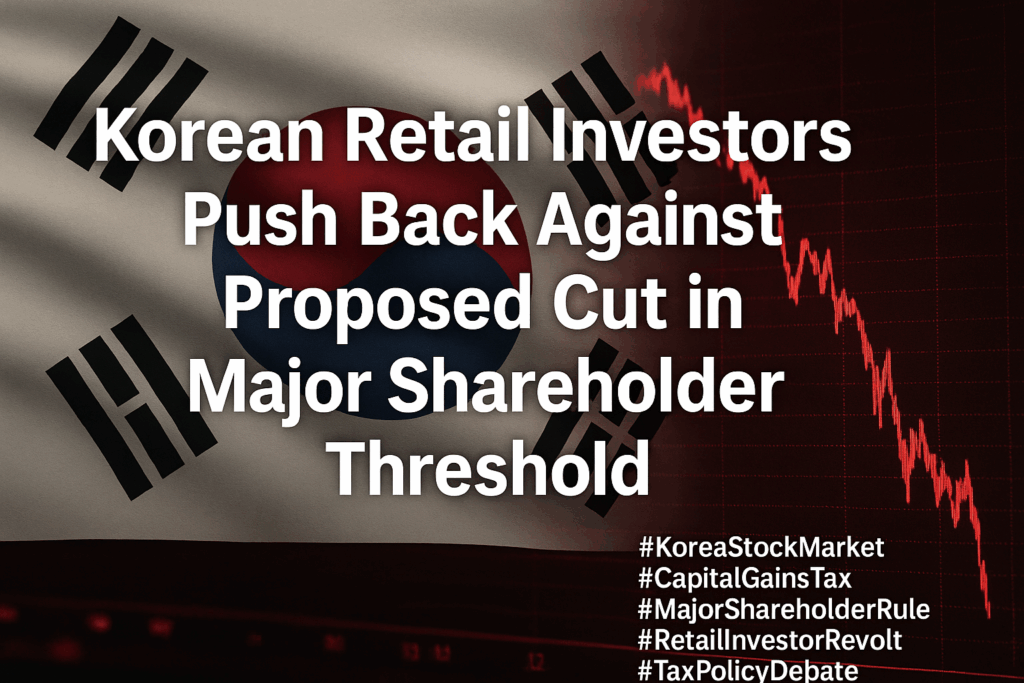
The Korean government’s plan to lower the threshold for defining a major shareholder—from KRW 5 billion (approx. USD 3.8 million) to KRW 1 billion (approx. USD 760,000)—is sparking strong opposition…
The South Korean government officially launched its “Public Relief Coupon Program” this week, aiming to boost consumer spending and help citizens cope with rising living costs.The program, announced by the…
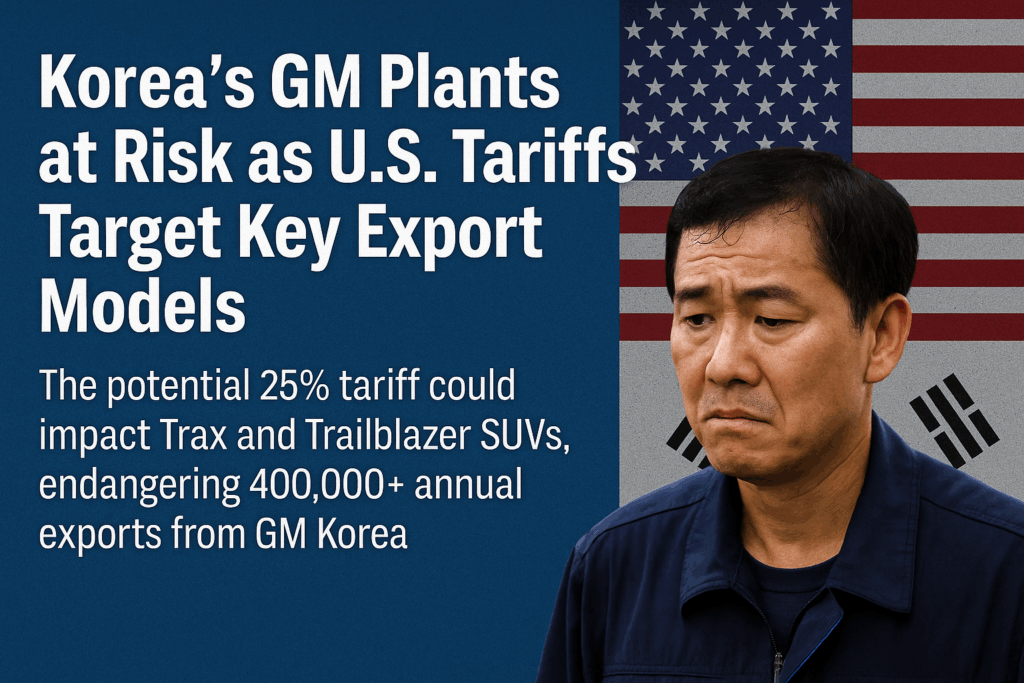
South Korea’s automotive exports face a fresh challenge as the United States considers imposing 25% tariffs under the Trade Expansion Act (Section 232) on select foreign-made vehicles. Among those targeted…
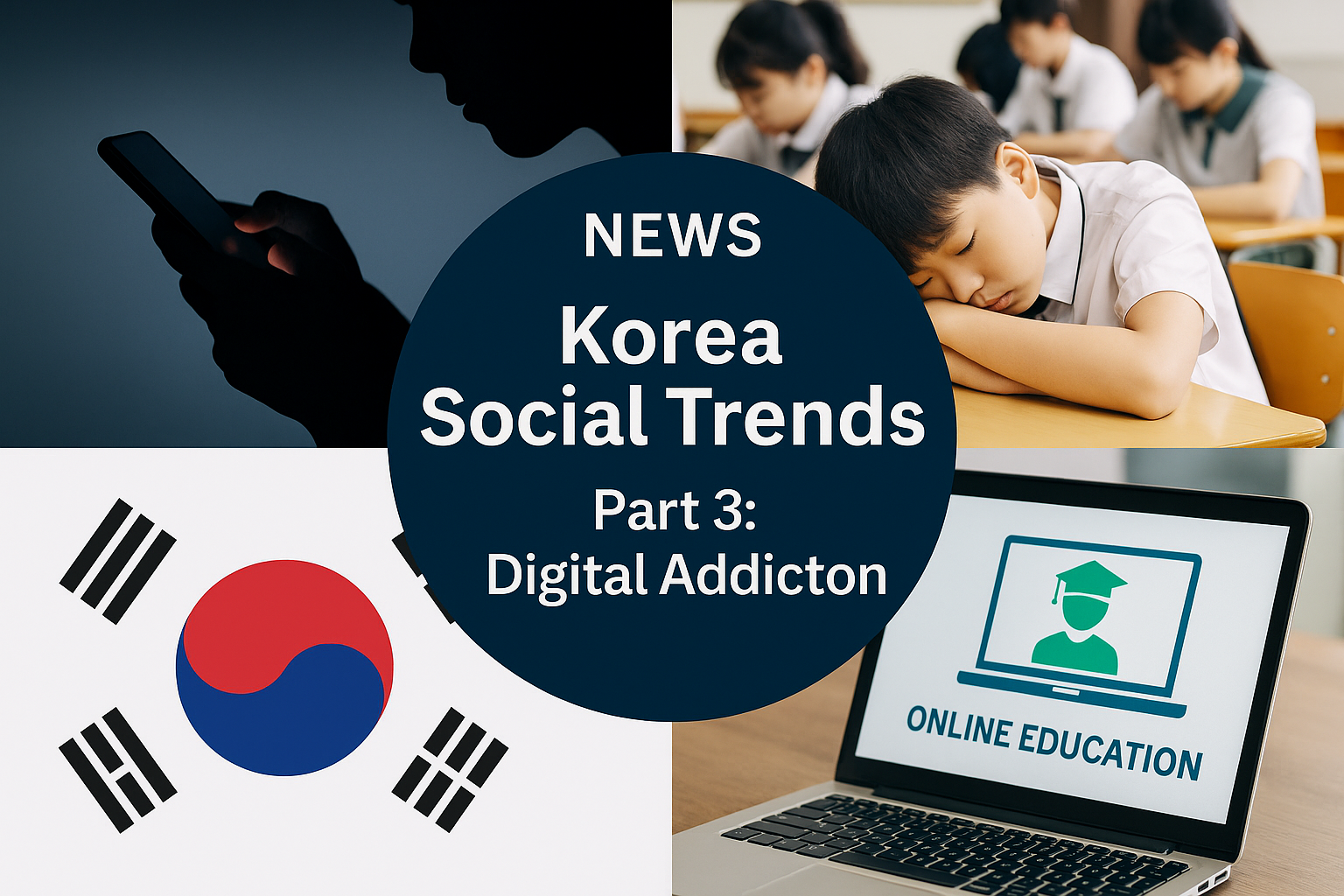
When people think of Korea, they often imagine high-speed internet, cutting-edge smartphones, and students studying late into the night. These images are not wrong—Korea has one of the fastest rates…
Warning: This article does not constitute investment advice. Any losses incurred are your responsibility. A Rally from the Depths of Fear As of October 14, 2025, the crypto market finds…
Few aspects of Korean society are as globally recognized as its intense focus on education. From international headlines about high test scores to Netflix dramas depicting sleepless students, the phenomenon…
To provide the best experiences, we use technologies like cookies to store and/or access device information. Consenting to these technologies will allow us to process data such as browsing behavior or unique IDs on this site. Not consenting or withdrawing consent, may adversely affect certain features and functions.
Functional
Always active
The technical storage or access is strictly necessary for the legitimate purpose of enabling the use of a specific service explicitly requested by the subscriber or user, or for the sole purpose of carrying out the transmission of a communication over an electronic communications network.
Preferences
The technical storage or access is necessary for the legitimate purpose of storing preferences that are not requested by the subscriber or user.
Statistics
The technical storage or access that is used exclusively for statistical purposes.The technical storage or access that is used exclusively for anonymous statistical purposes. Without a subpoena, voluntary compliance on the part of your Internet Service Provider, or additional records from a third party, information stored or retrieved for this purpose alone cannot usually be used to identify you.
Marketing
The technical storage or access is required to create user profiles to send advertising, or to track the user on a website or across several websites for similar marketing purposes.