Beyond Hongdae and Myeongdong: 7 Seoul Spots Only Locals Know
Most Seoul travel guides hand you the same 10 postcards: Gyeongbokgung Palace, Hongdae nightlife, Myeongdong street food, N Seoul Tower selfie. Nothing wrong with them — but they describe a city that exists almost entirely for visitors.
The Seoul that locals actually live in is different. It’s the 6am fruit market that wraps up before most tourists are awake. The hill alley café with Han River views and no English menu. The teahouse courtyard tucked inside an Insa-dong back lane that Google Maps doesn’t label.
These 7 spots won’t appear on most “Top Things to Do in Seoul” lists. That’s exactly why they’re worth your time.
1. Insa-dong’s Hidden Courtyard Teahouses
Everyone walks the Insa-dong main street. Few turn into its side lanes. Past the souvenir shops and tourist-facing galleries, a handful of traditional teahouses occupy quiet courtyard buildings where ceramic cups arrive without rush and the menu is entirely in Korean.
The format is always the same: remove shoes at the entrance, sit on floor cushions around a low wooden table, order omija berry tea or roasted barley, and stay as long as you need. Nobody will hurry you. These places have been running the same way for 30 years and have no interest in changing.
Best time to visit: Weekday afternoons, when the lane is quiet enough to hear the tea being poured.
2. Oksu Hill: Han River Views That Cost Nothing
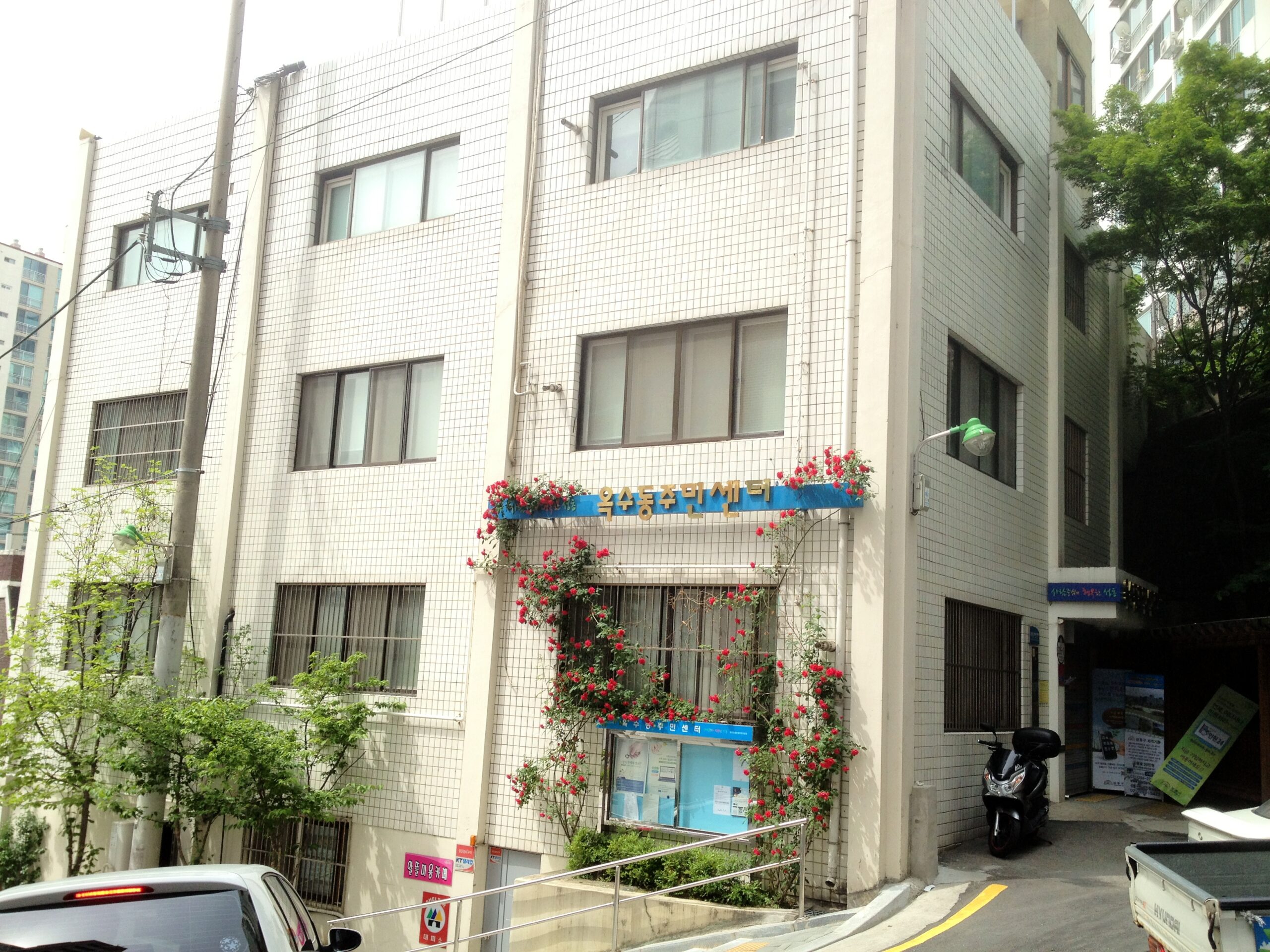
Oksu-dong sits directly above the Han River between Apgujeong and the city center — close enough to feel central, steep enough that most visitors never bother. The reward for walking up is a ridge of small cafes with unobstructed Han River views, a tangle of staircase alleys between old apartment blocks, and almost no one from outside the neighbourhood.
Unlike Bukchon or Ihwa Mural Village, this isn’t a designated photo spot. It’s just a neighbourhood on a hill that happens to have a spectacular vantage point. The cafes here are for residents first, visitors second — which is exactly the kind of place worth finding.
Best time to visit: Late afternoon on weekdays. The golden hour light on the river from this angle is unlike anything you’ll see from the Han River parks below.
3. Banpo at Night: The Rainbow Fountain Walk
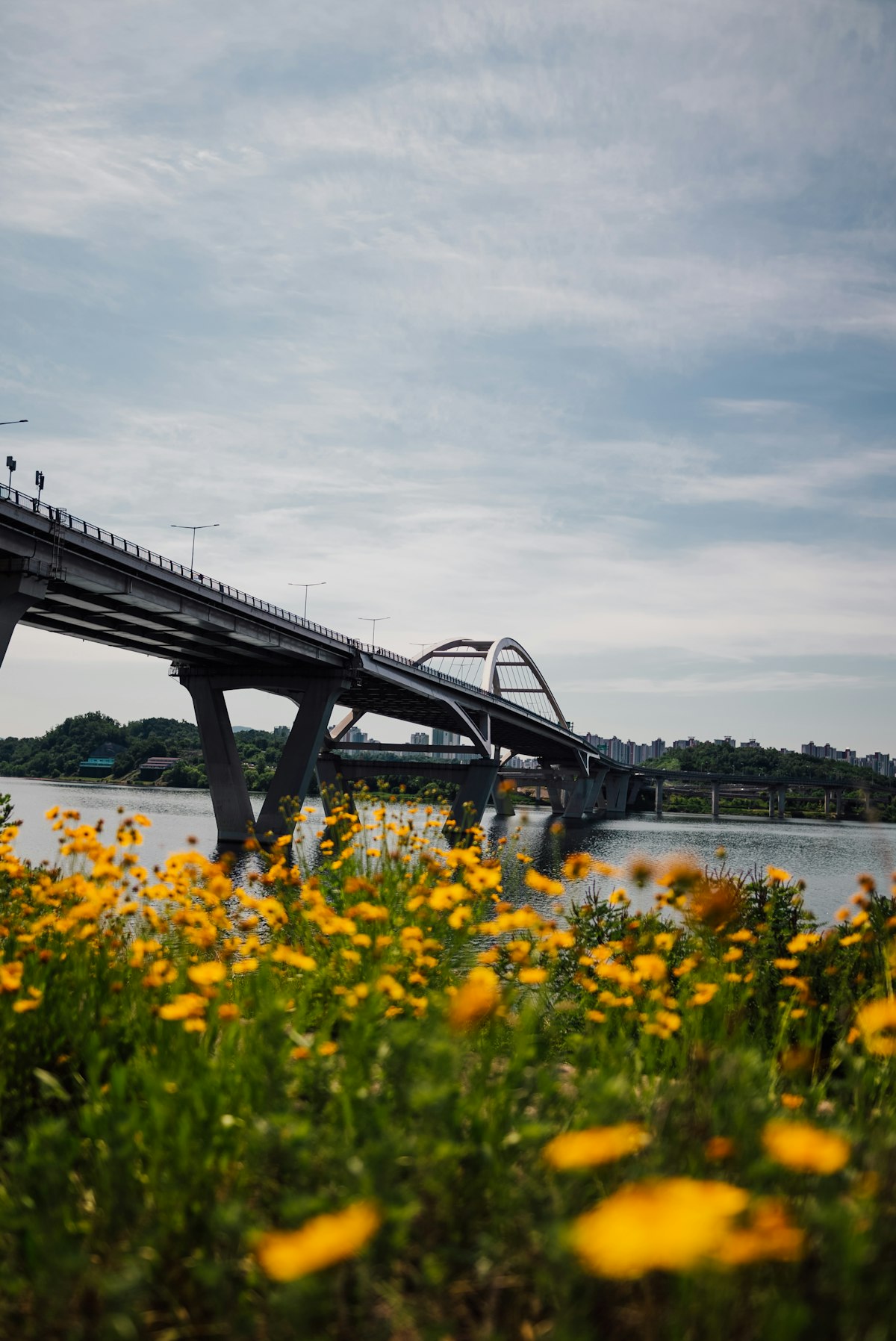
The Banpo Rainbow Fountain has 200-metre arcs of LED-lit water that change colour in synced sequences after dark. It’s technically a tourist attraction — but at 10pm on a weekday, the crowd thins out and the riverside becomes something else entirely: a quiet, cool strip where Seoul residents jog, push strollers, and sit on benches watching the fountain in near silence.
The full riverside loop from Banpo Bridge to the Kkotbawi rock garden takes about 40 minutes at an easy pace. Grab a can of beer from any of the convenience stores on the park edge, find a bench facing the water, and spend an evening exactly the way most Seoulites spend theirs.
Best time to visit: April through October, after 9pm. The fountain runs on a schedule — check the display board at the bridge entrance.
4. Sinsa-dong on a Sunday Morning
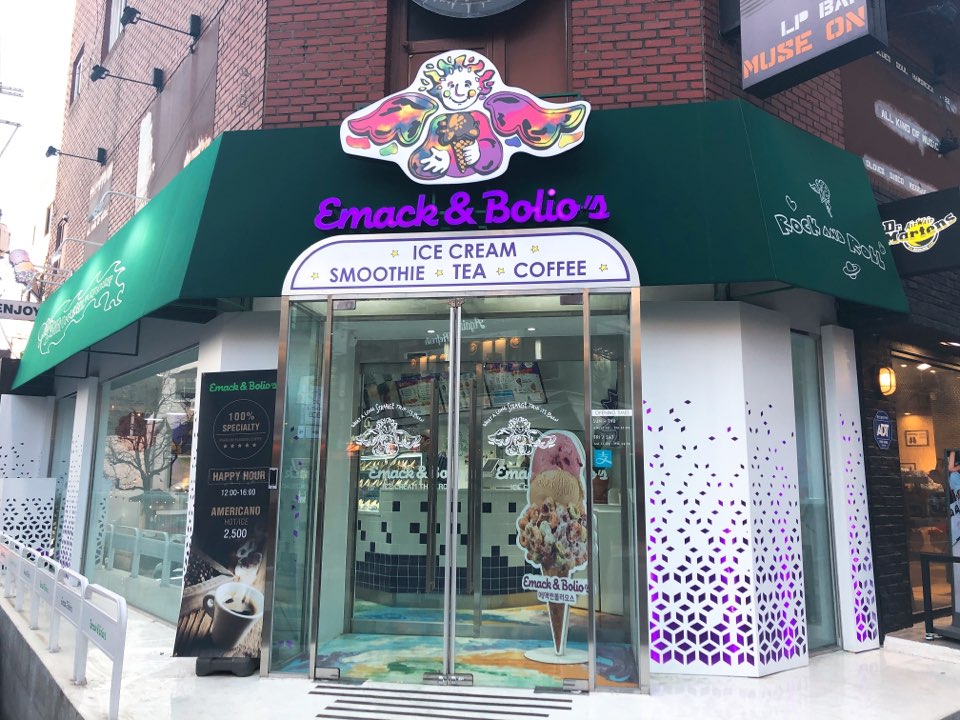
Garosu-gil gets written about often. What the articles skip: come on a Sunday morning before 11am, when the tree-lined strip is half-asleep and the independent boutiques are just raising their shutters. The coffee shops open early; the customers are dog-walkers and neighbourhood regulars, not day-trippers.
The ginkgo trees on the median are the real draw in autumn (late October to mid-November), when the avenue turns completely yellow. Sunday mornings are the only hour you’ll have it mostly to yourself.
Best time to visit: Sunday mornings, 9–11am. Or any day in late October for the ginkgo colour.
5. Seongbuk-dong: Seoul’s Gallery Village
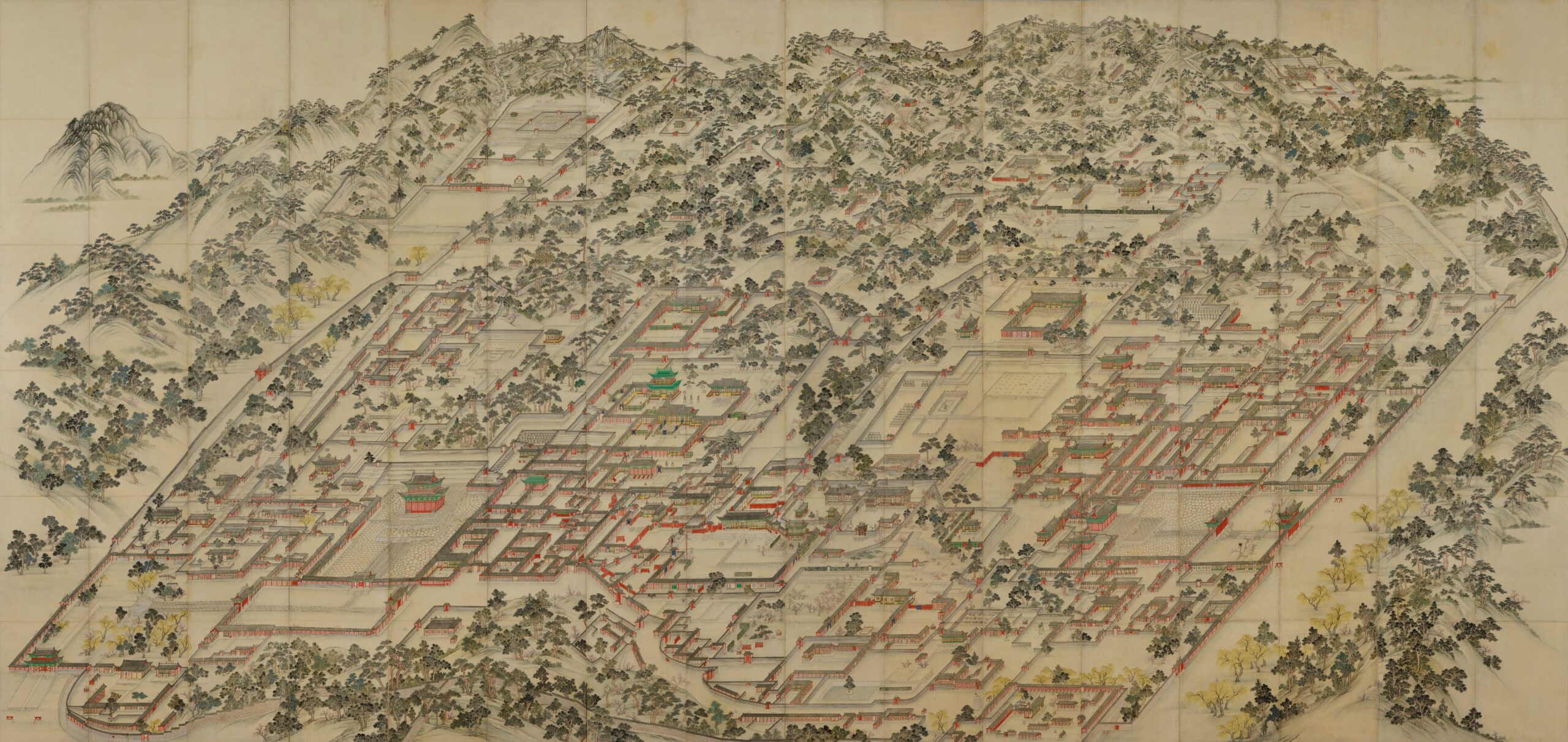
North of Bukchon, tucked against the Bugaksan Mountain ridge, Seongbuk-dong is the kind of neighbourhood that people who already know Seoul well call their favourite. A row of small galleries runs along the hillside road — commercial and non-profit spaces mixed together, all walkable from each other, most free to enter.
The residential streets here hold some of the best mid-century Korean architecture in the city — a mix of traditional hanok compounds and 1970s concrete houses, many now converted into studios and bookshops. The Seongbuk Museum of Art anchors the strip and runs rotating contemporary exhibitions year-round.
Best time to visit: Saturday or Sunday, when the galleries keep extended hours. Budget two hours minimum to walk the full ridge.
6. Dosan Park: Gangnam’s Quiet Green Corner
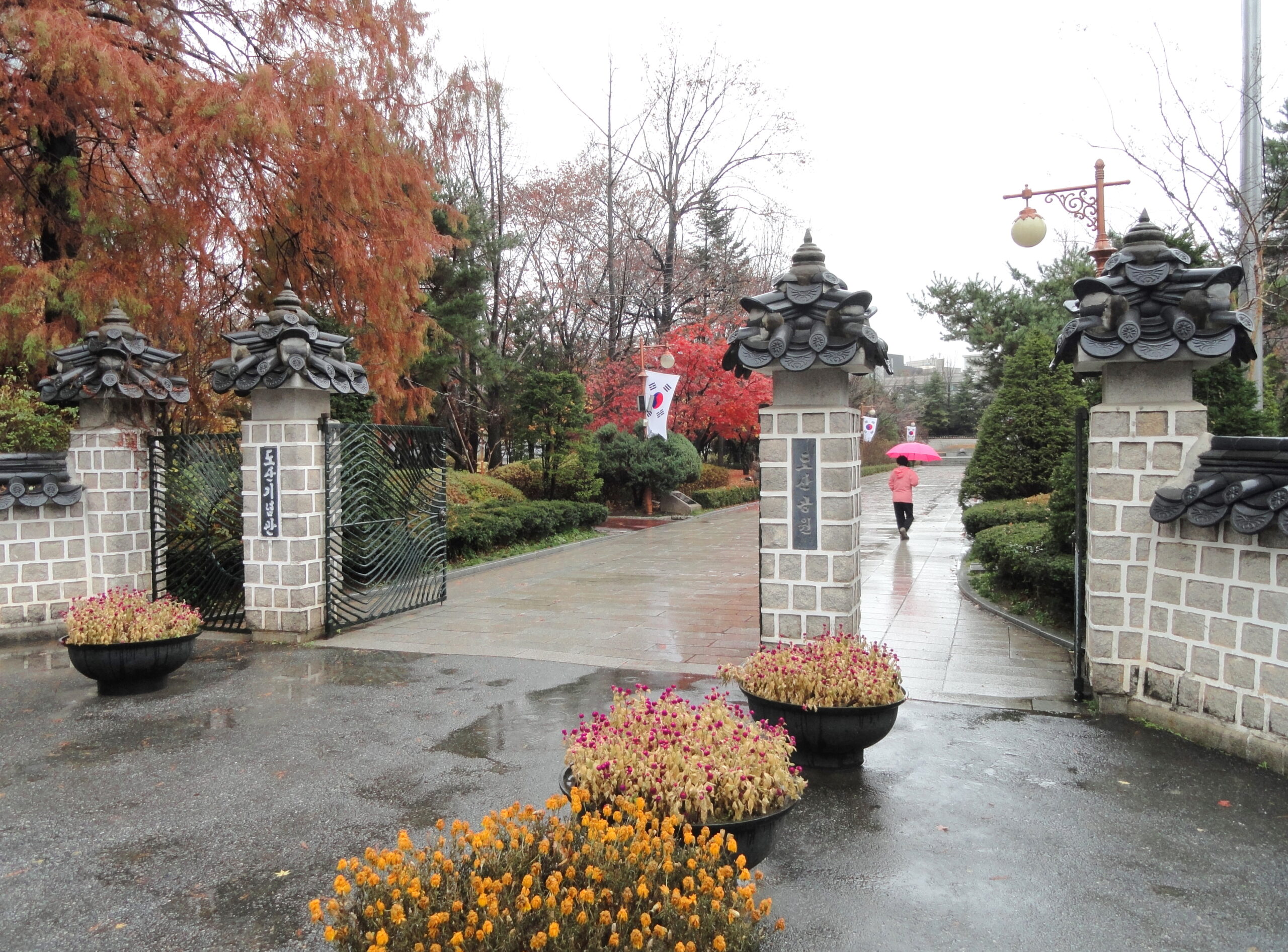
Gangnam has a reputation: expensive, polished, designed for display. Dosan Park contradicts all of it. Named after the independence movement leader Ahn Chang-ho, whose tomb sits inside the park grounds, it’s a genuinely calm green space where Apgujeong residents walk their dogs at 7am before the district wakes up.
The park is small — you can circle the outer path in 20 minutes — but the surrounding streets have some of the best independent coffee shops in Seoul, several with no English signage that are nevertheless entirely welcoming. The area feels nothing like the Gangnam most foreigners imagine.
Best time to visit: Early mornings (7–9am) for the park walk; late mornings for the cafe row on the streets leading north toward Cheongdam.
7. Boramae Park After Dark
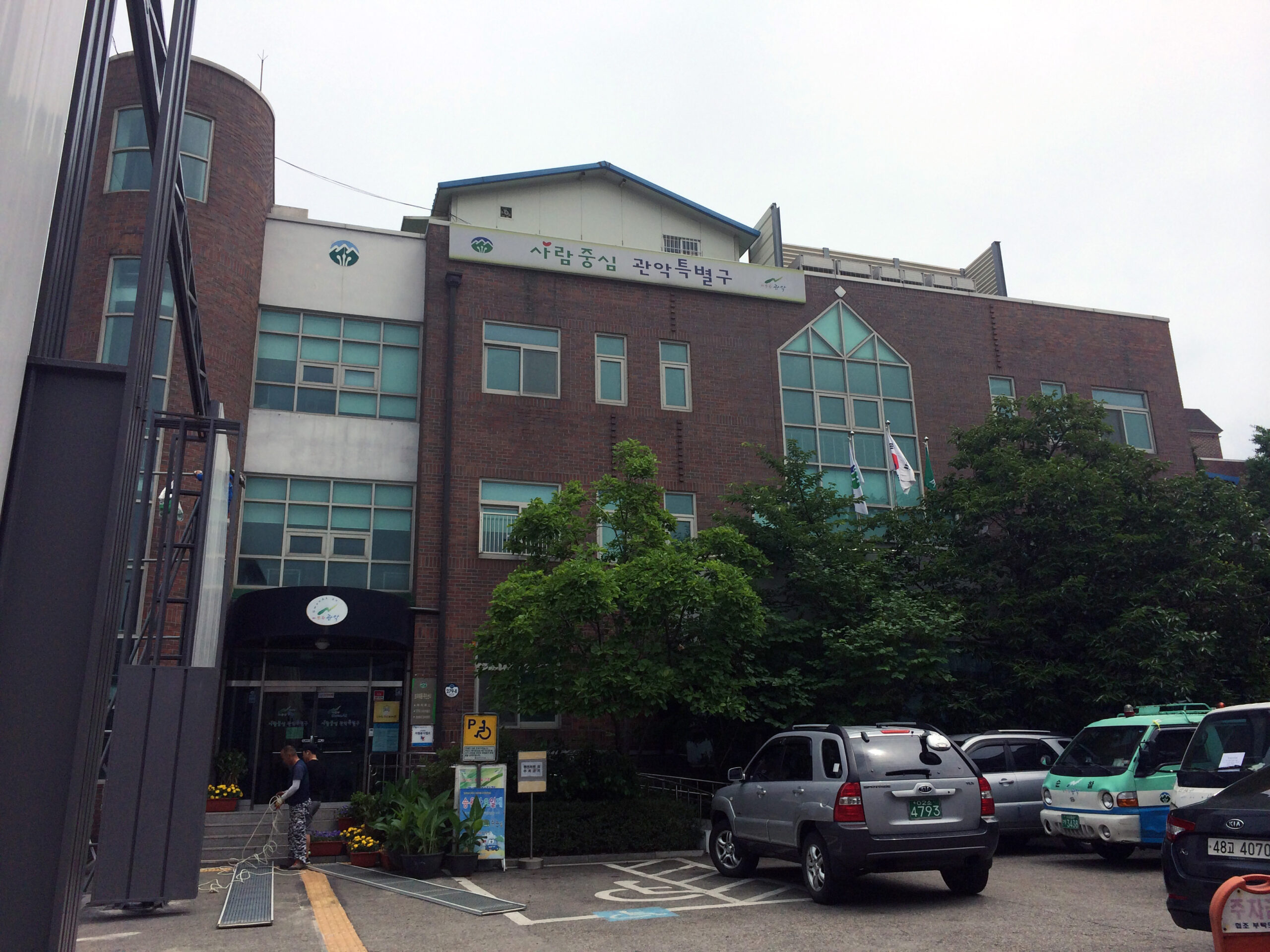
No tourist has ever listed Boramae Park as a reason to visit Seoul. That’s the entire point. After 6pm, it fills with exactly the same demographic every night: office workers running laps in business casual, elderly men doing pull-ups on the outdoor gym, teenagers playing football under the floodlights, families on evening walks.
There’s nothing to see here in the conventional sense. But if you’ve spent a week in Seoul doing monuments and cafes and want to spend two hours in the city as it actually functions — not performed for cameras, not curated for visitors — Boramae after dark is where that happens.
Best time to visit: 7–9pm on any weekday evening.
Find More on KNEWdaily
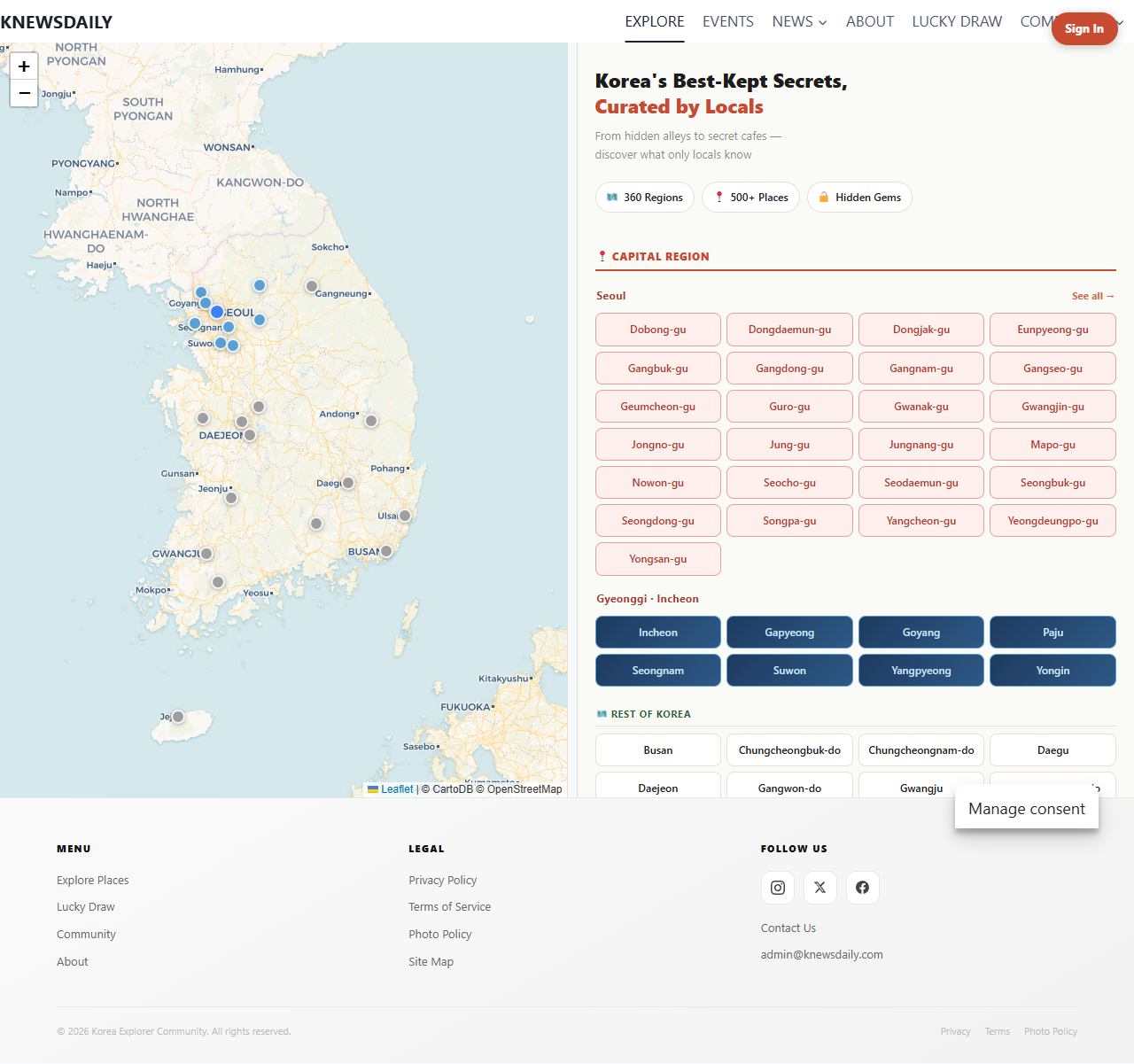
Every spot listed here has a dedicated page on KNEWdaily with directions, local tips, and seasonal notes. Use the Explore Seoul map to browse by district — click any neighbourhood and the place listings go several layers deeper than this post does.
Spotted somewhere that isn’t listed yet? Hit the Suggest button on any neighbourhood page. That’s how the best entries get added.