Seoul Spots Worth Knowing Today: Apgujeong Classics, Gwangmyeong Cave & the Grandfather Test
Seoul keeps two ledgers. The first is the one every travel site runs: Gyeongbokgung, Namsan, the Bukchon viewpoint with the queue. The second ledger is quieter — restaurants that haven’t changed their charcoal in thirty years, old mines turned into something unexpected, back alleys where the real regulars eat. Today’s picks come from that second list.
Apgujeong Seoganbi — The Grill That Outlasted the Gloss
Apgujeong spent the last decade relaunching itself as a luxury district. Most of what made the neighborhood interesting in the 1990s quietly disappeared. Seoganbi did not. The same coal-fire yangnyeom galbi that celebrities used to slip in for after late shoots is still being served, by the same “ajeumma” who has run the grill since before the Rodeo strip existed. The vibe is not nostalgic — it’s just unchanged, which in this city means something. Locals call it the test: a restaurant that regulars have eaten at for thirty years doesn’t need to advertise.
Area: Apgujeong-dong, Gangnam-gu
Type: Korean BBQ / Hidden classic
Best time: Weekday dinner — quieter, the owner has more time to talk
Gwangmyeong Cave — An Old Mine, Completely Reinvented
Forty minutes from central Seoul, a former gold mine that closed in 1972 has been converted into one of the stranger day trips near the city. The temperature inside holds at 12°C year-round, which in April — when the city swings between cold and warm without warning — makes it genuinely pleasant. Inside: a media art installation, a section dedicated to Korean wine, and tunnels that go far enough in that the city stops feeling real. Pair it with the Gwangmyeong outlet on the way back for a full day loop.
Location: Gwangmyeong, Gyeonggi-do (40 min from Seoul)
Type: Underground cave / Media art / Day trip
Tip: Bring a light jacket even in summer — the 12°C holds regardless of season
Yeoksam Back Alley Korean Restaurant — The Grandfather Test
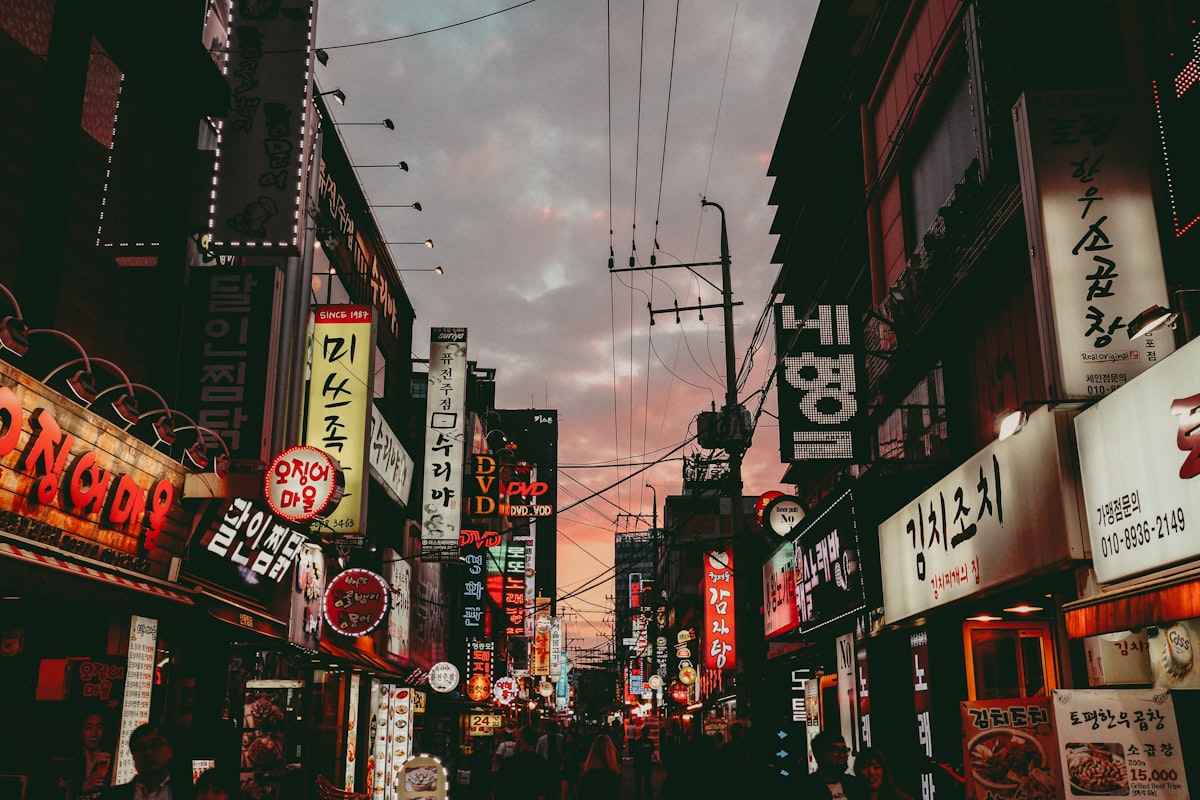
There is an informal rule that circulates among Seoul food people: if the lunch crowd skews elderly and the sign looks like it hasn’t been replaced since the 1980s, eat there. A handful of small Korean restaurants tucked into the quieter streets behind Yeoksam station pass this test. No fusion, no concept, no English menu. The kind of place where the banchan arrives before you’ve finished sitting down and the rice comes in a metal bowl. Gangnam-gu without the price tag.
Area: Yeoksam-dong, Gangnam-gu
Type: Traditional Korean / Local institution
Best time: Weekday lunch, before 12:30 — fills up fast
Sanjeonghoso Trail — The Nature Walk Seoul Forgets It Has
An hour north of the city, the Sanjeonghoso lake trail runs through a landscape that has nothing to do with urban Seoul. Pine forest, clean water, a circuit path that takes about ninety minutes at a relaxed pace. It shows up in outdoor community posts occasionally but never gets the volume of the more photographed trails. Late April is about the point where the spring foliage is still there without the cherry blossom crowds. Good for a half-day reset before coming back in.
Location: Pocheon, Gyeonggi-do (1 hr from Seoul)
Type: Nature trail / Lake walk
Best time: Weekday morning — the trailhead empties out fast after 10am
What’s Moving on X Today
Spring peak is winding down and the city is shifting from blossom-chasing to slower, neighborhood-level exploration. The conversations happening on Korean social media today lean toward: places that haven’t changed, accessible day trips with a story behind them, and the kind of restaurant that doesn’t need a review because the regulars keep it running. These four spots sit at the intersection of all three. All of them are mapped in the Explore Seoul section — use the area filters to see what else is nearby each one.