In recent years, Korea’s MZ generation—a term combining Millennials (born 1981–1996) and Generation Z (born 1997–2010)—has emerged as the most influential consumer group, reshaping industries, markets, and cultural values. Known for their digital fluency, individualism, and pursuit of self-expression, they are driving a profound shift in how Koreans spend money. From luxury goods and resale platforms to eco-conscious purchases and “small but certain happiness” (소확행), the MZ generation’s consumption patterns reveal not only personal preferences but also deeper social dynamics. For foreign readers, understanding this shift provides a window into how Korea’s younger consumers are redefining the meaning of value, success, and lifestyle.

1. The Rise of the MZ Consumer
The MZ generation now accounts for nearly 40% of Korea’s population and even more in terms of purchasing power. They grew up in a digital environment where online shopping, social media, and global cultural flows were the norm. Unlike older generations, who prioritized savings and stability, MZ consumers place greater emphasis on immediate satisfaction, unique experiences, and personal identity. This transformation is evident in everything from fashion choices to financial services.

2. Luxury Goods and the Resale Market
One of the most striking features of MZ consumption is their embrace of luxury brands. Korea is now one of the world’s top markets for luxury goods per capita, with young consumers driving much of this demand. Queues outside flagship stores in Seoul’s Gangnam district, filled with shoppers in their 20s, have become common.
At the same time, resale platforms such as KREAM and Bungaejangter are booming. MZ consumers treat luxury items not only as fashion but also as assets, buying and reselling sneakers, handbags, and watches. This behavior reflects a blend of consumption and investment, blurring traditional categories.

3. Value-Based and Eco-Conscious Consumption
Beyond luxury, the MZ generation is also leading trends in ethical and sustainable consumption. They are more likely to purchase eco-friendly products, support brands that align with their values, and boycott companies seen as unethical. Campaigns around reducing plastic use, promoting vegan lifestyles, or supporting local businesses resonate strongly with this demographic. For example, eco-friendly cosmetic brands like Innisfree and vegan cafés in Seoul attract a loyal MZ following.

4. The Culture of “Small but Certain Happiness”
The concept of 소확행 (small but certain happiness) has become a buzzword among the MZ generation. Rather than saving exclusively for distant goals like homeownership, which often feels unattainable, they focus on daily joys—premium coffee, short trips, or personalized hobbies. This shift highlights a pragmatic approach: finding satisfaction in the present rather than sacrificing everything for an uncertain future. It also connects with the broader YOLO (You Only Live Once) mindset that has gained global resonance.

5. Digital Platforms and Influencer Economy
The consumption culture of the MZ generation is inseparable from digital platforms. Instagram, YouTube, and TikTok shape trends and amplify the influence of creators and influencers. A recommendation from a popular YouTuber can instantly sell out products nationwide. This has given rise to the influencer economy, where authenticity, relatability, and community engagement are as important as traditional advertising.
For instance, a small local brand can achieve overnight success if endorsed by the right influencer, showing how democratized and dynamic the consumer landscape has become.

6. Experiences over Possessions
While material goods remain important, MZ consumers also prioritize experiences. Travel, festivals, exhibitions, and immersive entertainment attract strong spending. For example, K-pop concerts, themed cafés, and virtual reality experiences are highly popular among young Koreans. This experiential focus reflects a desire for memories and social sharing rather than accumulation alone.

7. Inequality and the Consumption Divide
Despite their influence, the MZ generation is not immune to inequality. Wealthier members can afford luxury goods and international travel, while others turn to “flex culture” (showing off wealth online) through debt or overconsumption. This divide underscores the tension between aspiration and reality, particularly in a society where social media constantly displays curated lifestyles.

8. Global Comparisons
The consumption patterns of Korea’s MZ generation mirror global trends but with unique intensity. Like their peers in the U.S. and Europe, they embrace digital shopping, ethical consumption, and experiential spending. However, Korea stands out for its rapid adoption of luxury goods and its integration of investment logic into consumption through resale platforms. This reflects the country’s high social competition and desire for symbolic markers of success.

9. Everyday Examples
A 25-year-old office worker in Seoul might save for months to buy a limited-edition luxury handbag, only to resell it online for profit. Meanwhile, her friend spends weekends at vegan cafés and eco-friendly markets, prioritizing values over brand prestige. Another peer invests heavily in K-pop concerts and festivals, emphasizing experiences and community. These stories highlight the diversity of MZ consumption styles, unified by the pursuit of identity and satisfaction.

10. Looking Ahead
The MZ generation’s consumption habits will continue to reshape Korea’s economy and culture. As they mature into positions of greater economic and political influence, their preferences for digital platforms, ethical values, and experiential spending will become mainstream. For foreign readers, Korea’s MZ consumers provide a glimpse into the future of global markets, where traditional boundaries between consumption, identity, and investment are increasingly blurred.
Editor’s Note
The MZ generation’s consumption culture represents both opportunity and challenge. It reflects creativity, individuality, and adaptability, but also reveals insecurities around housing, inequality, and future stability. For outsiders, Korea illustrates how a young generation can transform markets while negotiating the pressures of a competitive society. The question is whether these consumption habits will evolve into sustainable lifestyles or remain expressions of short-term satisfaction.
Over the last two decades, Korea has undergone a remarkable cultural transformation. What began as a regional phenomenon known as the “Korean Wave” or Hallyu has evolved into a full-scale global movement. Today, Korean dramas, films, and music are consumed by audiences across continents, shaping not only entertainment markets but also cultural perceptions of Korea…
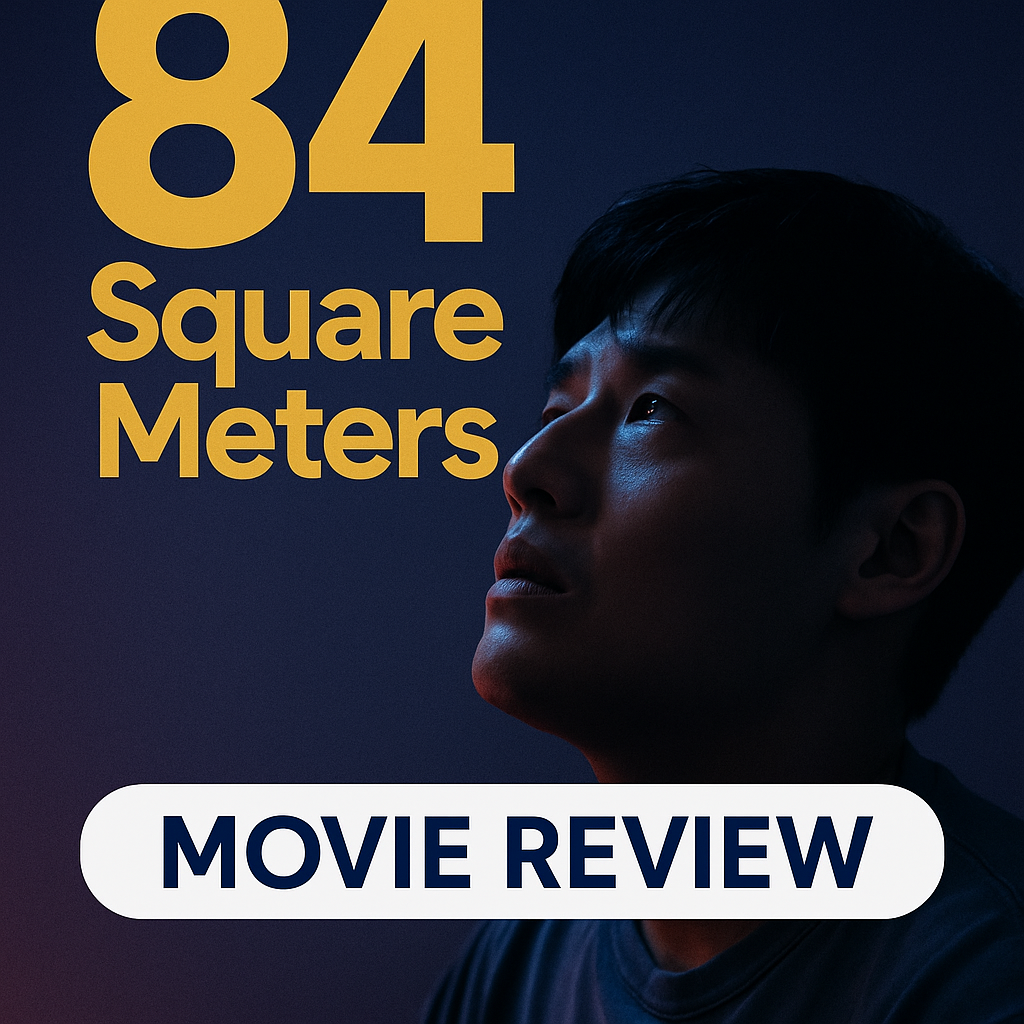
[Summary]”84 Square Meters” follows the story of Woo-sung (played by Kang Ha-neul), a young man who pours everything he has into purchasing an 84㎡ apartment. To keep up with the heavy mortgage, he conserves every bit of electricity and works multiple jobs. The film delves into his entanglement with a cryptocurrency scheme and the psychological…
!!! Warning: This article does not constitute investment advice. Any losses incurred are your responsibility. !!! Fear Deepens, Yet 110K Holds Bitcoin is trading near $110K, down roughly 3.8% day-over-day, while the Fear & Greed Index sits at 28 (Fear), signaling sentiment has deteriorated. Even so, the market’s ability to defend the 110K handle leaves…
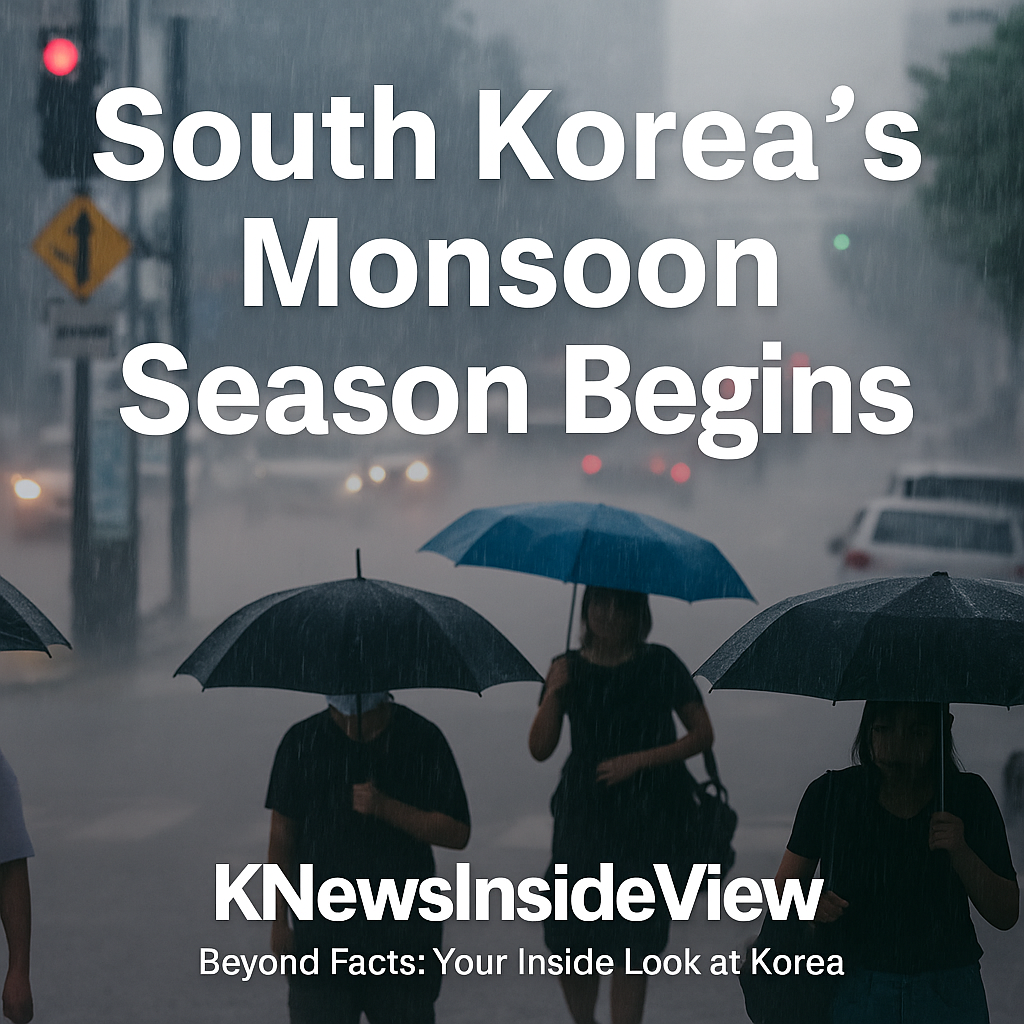
South Korea’s annual monsoon season officially begins today, with the Korea Meteorological Administration (KMA) forecasting weeks of heavy rain across the country. The seasonal rain front has moved northward overnight, bringing widespread showers and potential flooding risks.Major regions including Seoul, Busan, and Gwangju are expected to receive 150–200mm of rainfall over the coming days, with…
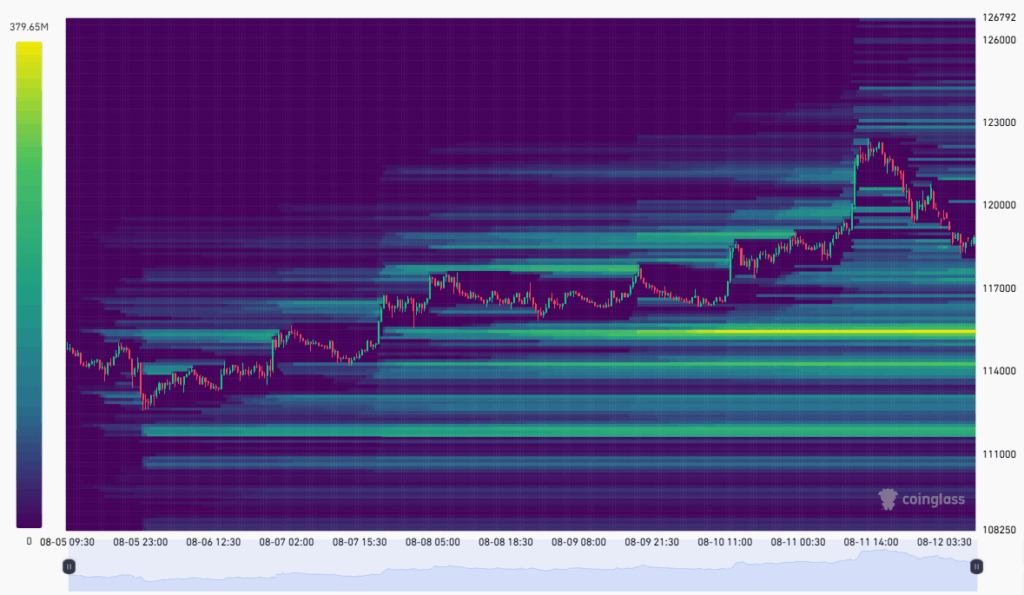
⚠️ This article is not intended as a financial instrument or investment advice. Bitcoin recently reached a short-term peak of 122K before entering a correction, now trading below 120K. This movement reflects a combination of short-term profit-taking and selling pressure near a psychological resistance level. At the same time, major altcoins have also declined by…
Today Chaos StoryTwo months before the wedding, it was just a quiet Sunday afternoon.We had planned to hand out invitation cards to close friends over coffee. I had booked a spacious brunch café—easy access, stroller-friendly, just in case. But things went off the rails over something small. A rude barista.Unhelpful service.A mistaken order with no…
To provide the best experiences, we use technologies like cookies to store and/or access device information. Consenting to these technologies will allow us to process data such as browsing behavior or unique IDs on this site. Not consenting or withdrawing consent, may adversely affect certain features and functions.
Functional
Always active
The technical storage or access is strictly necessary for the legitimate purpose of enabling the use of a specific service explicitly requested by the subscriber or user, or for the sole purpose of carrying out the transmission of a communication over an electronic communications network.
Preferences
The technical storage or access is necessary for the legitimate purpose of storing preferences that are not requested by the subscriber or user.
Statistics
The technical storage or access that is used exclusively for statistical purposes.The technical storage or access that is used exclusively for anonymous statistical purposes. Without a subpoena, voluntary compliance on the part of your Internet Service Provider, or additional records from a third party, information stored or retrieved for this purpose alone cannot usually be used to identify you.
Marketing
The technical storage or access is required to create user profiles to send advertising, or to track the user on a website or across several websites for similar marketing purposes.


![[Korea Chaos Story] “It Started in a Café—And Ended with the Word ‘Breakup’”](https://knewsdaily.com/wp-content/uploads/2025/07/크기변환4250723_1.png)