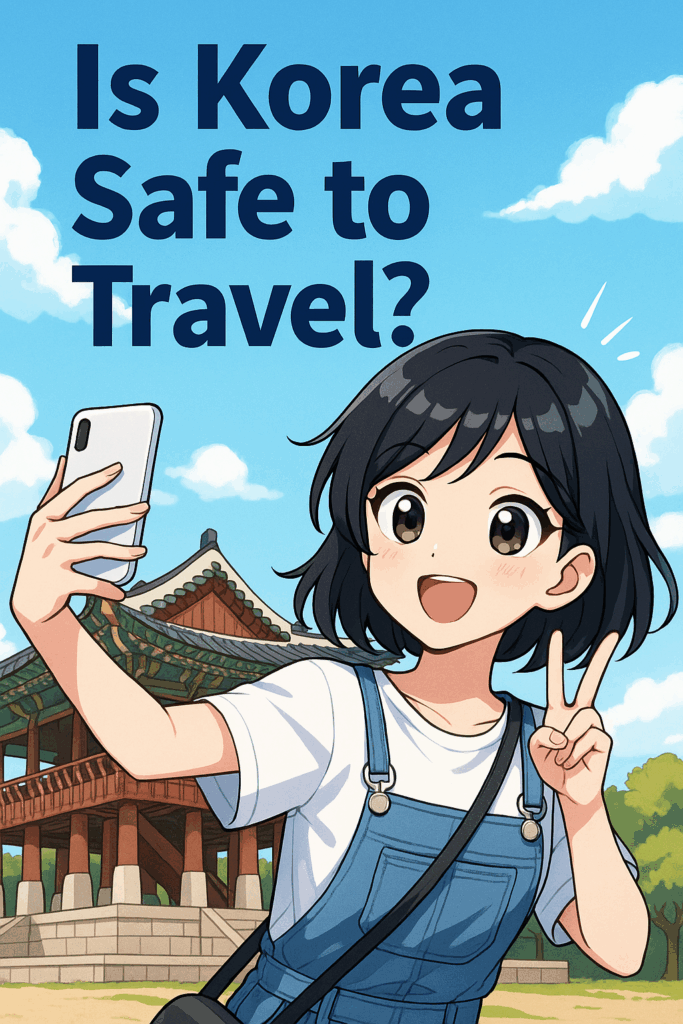
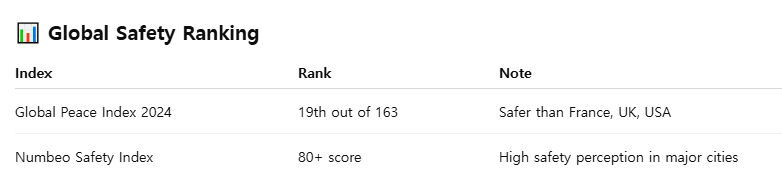
South Korea is one of the most frequently asked-about destinations when it comes to safety. According to the Global Peace Index 2024, South Korea ranked among the top 20 safest countries in the world — higher than the US and many European countries.

Travel experts say that like any trip abroad, visitors should be aware of basic risks, but Korea offers a uniquely secure environment compared to other Asian destinations.
“Traveling abroad always involves some risk, but Korea is, in fact, an extremely secure country. Apart from a few troublemakers, you can enjoy your trip safely. I think the biggest reasons are:

FIRST! Extensive CCTV coverage
Korea has an enormous number of surveillance cameras in public spaces.
Some might find it intrusive, but for locals it’s normal — and it helps prevent and solve crimes quickly.

SECOND! Social norms discourage suspicious behavior
Koreans generally dislike being suspected of wrongdoing. Sometimes, this means people hesitate to help a stranger on the street or touch a lost item. Surprisingly, if you leave something behind, there’s a good chance you’ll find it untouched where you left it.

LASTLY! Fast internet and helpful apps
Korea’s world-leading internet speed and multi-language apps mean travelers can easily look up emergency help, routes, or local info anytime.

“Young people these days often visit Seongsu-dong because there are so many great spots to take photos.”
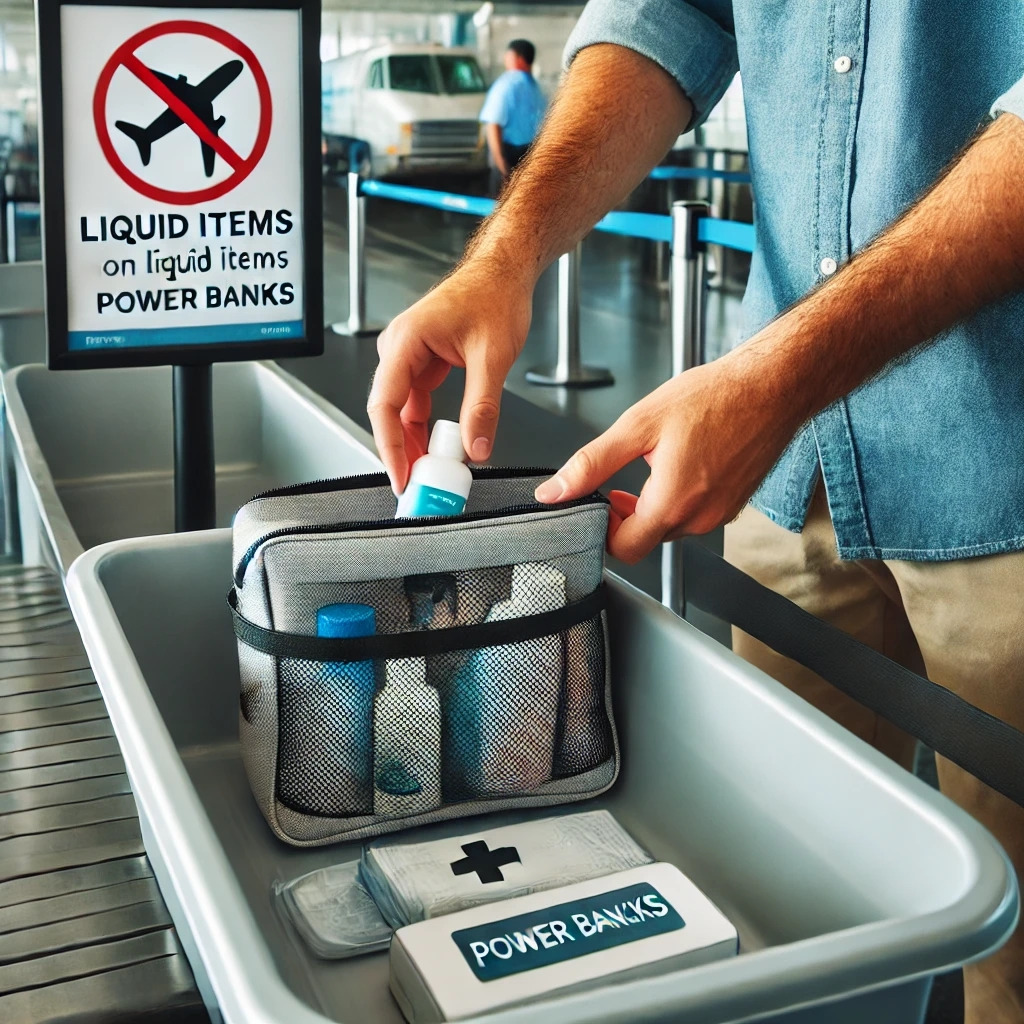
When traveling abroad or taking a domestic flight, one of the things we worry about the most is baggage regulations. In particular, it is often confusing whether hairspray, which is…
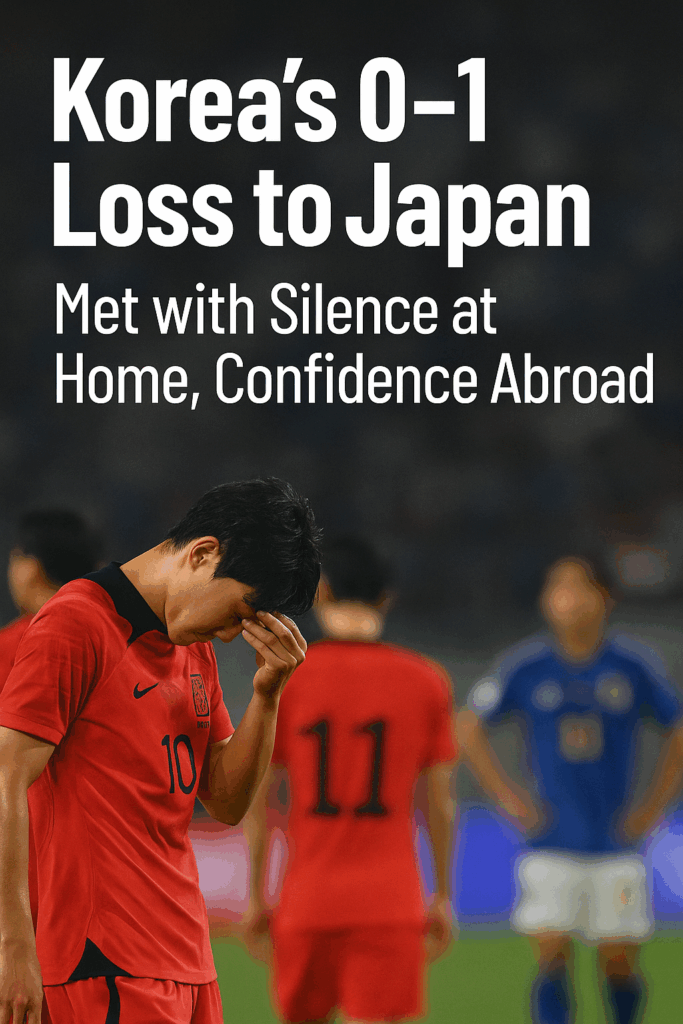
South Korea fell 0–1 to Japan in the 2025 EAFF E‑1 Championship men’s final on July 15 at Yongin Mireu Stadium. The match was decided early when Ryo Germain scored…
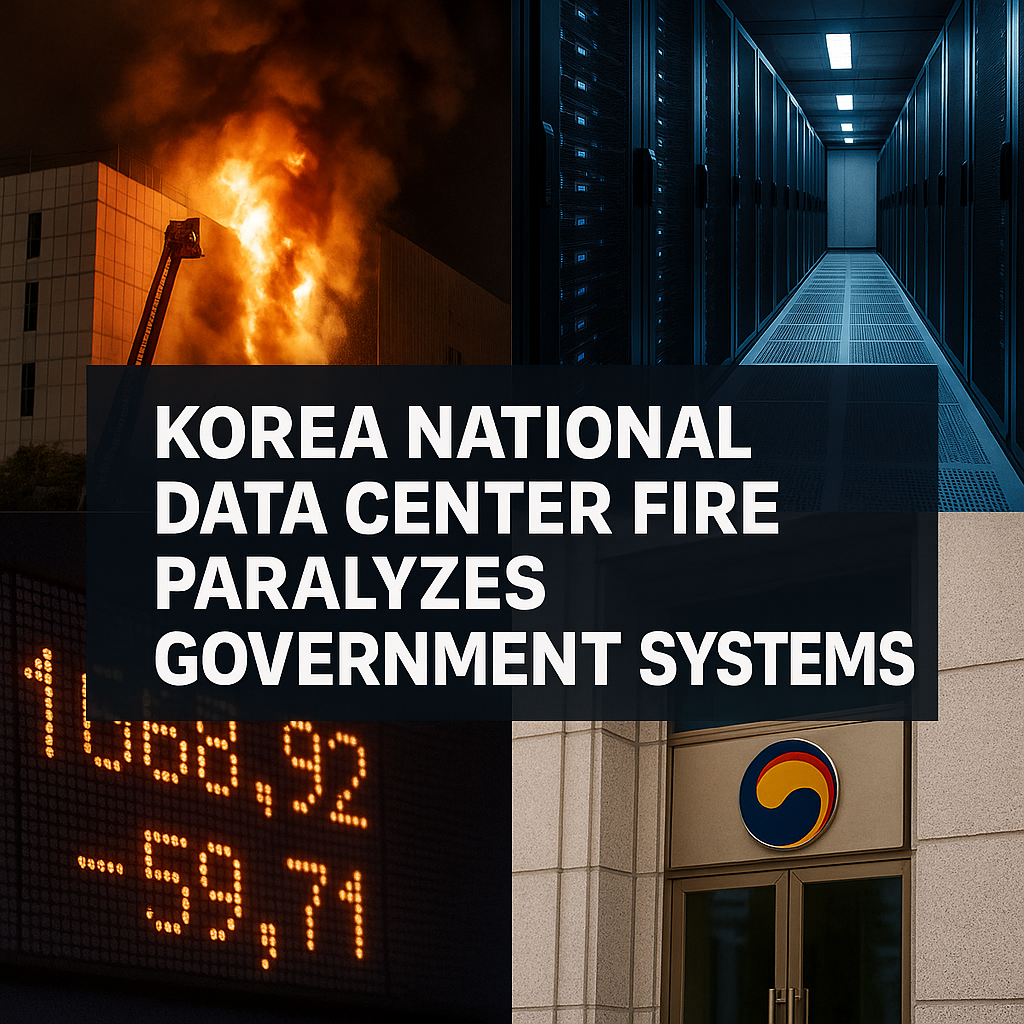
A massive fire broke out at the National Information Resources Service data center in Daejeon on Friday night, crippling a wide range of critical government systems. The blaze is believed…
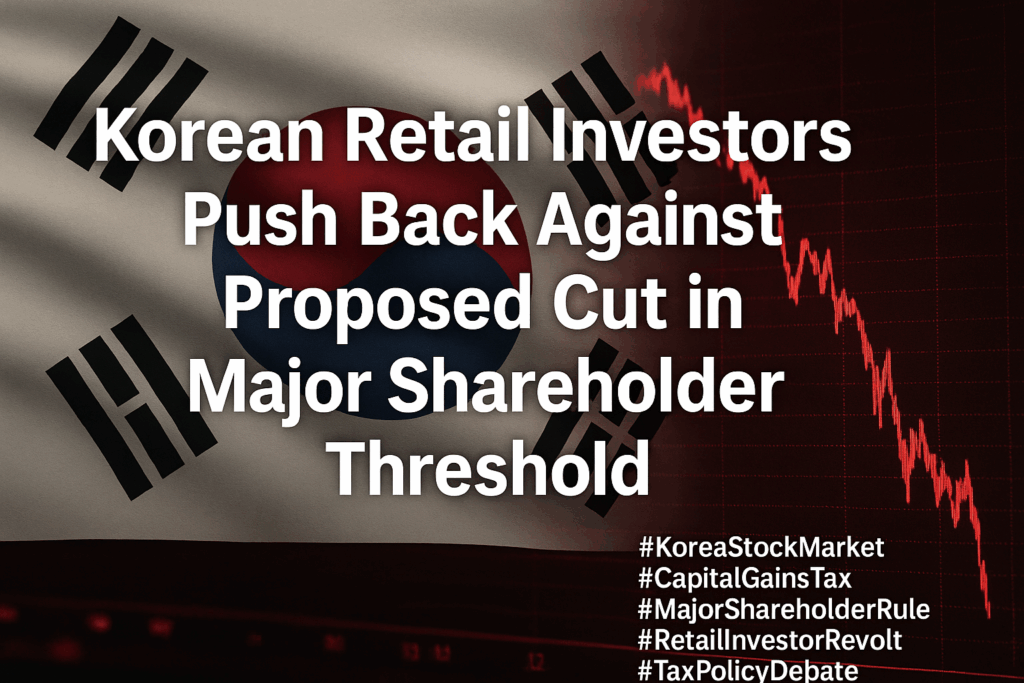
The Korean government’s plan to lower the threshold for defining a major shareholder—from KRW 5 billion (approx. USD 3.8 million) to KRW 1 billion (approx. USD 760,000)—is sparking strong opposition…
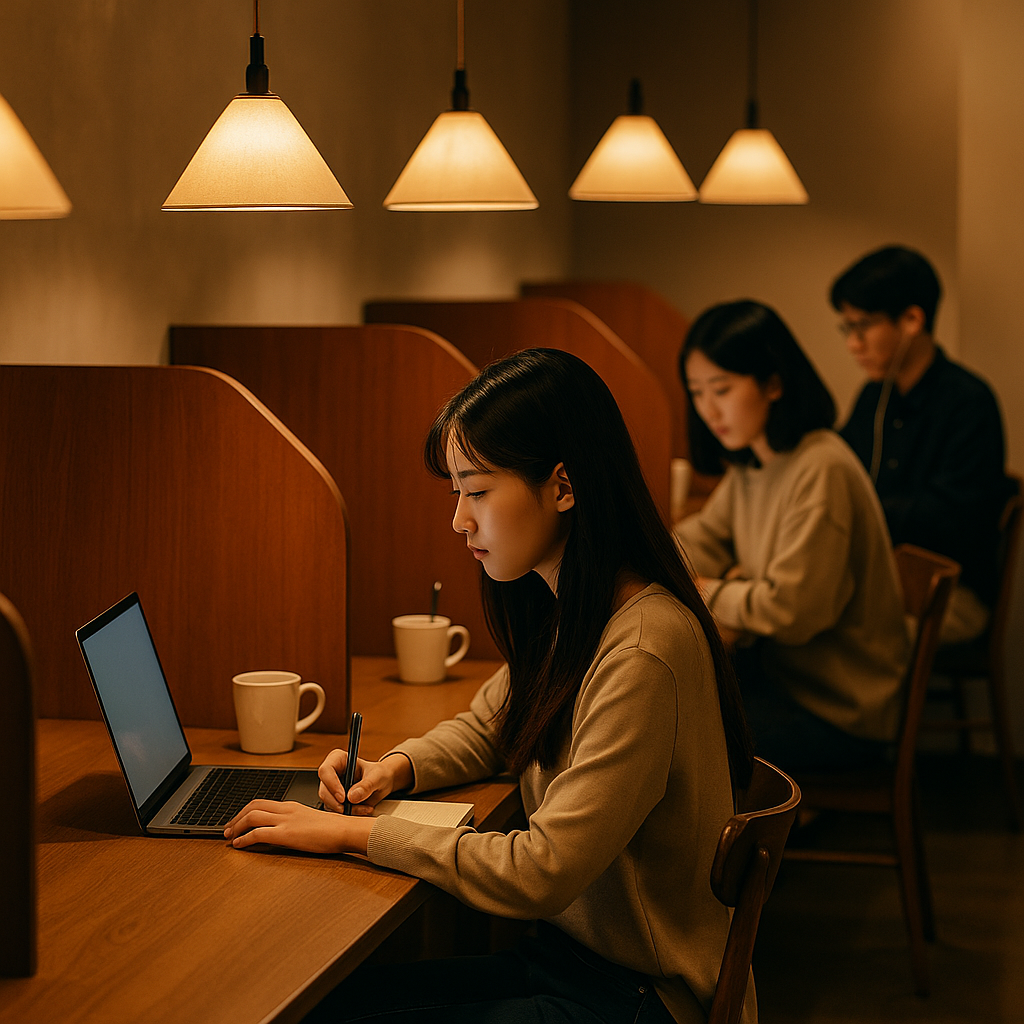
In South Korea’s busy university neighborhoods and office districts, so-called “silent cafes” have quietly become a new kind of urban refuge for young people who crave “shared quiet” in the…
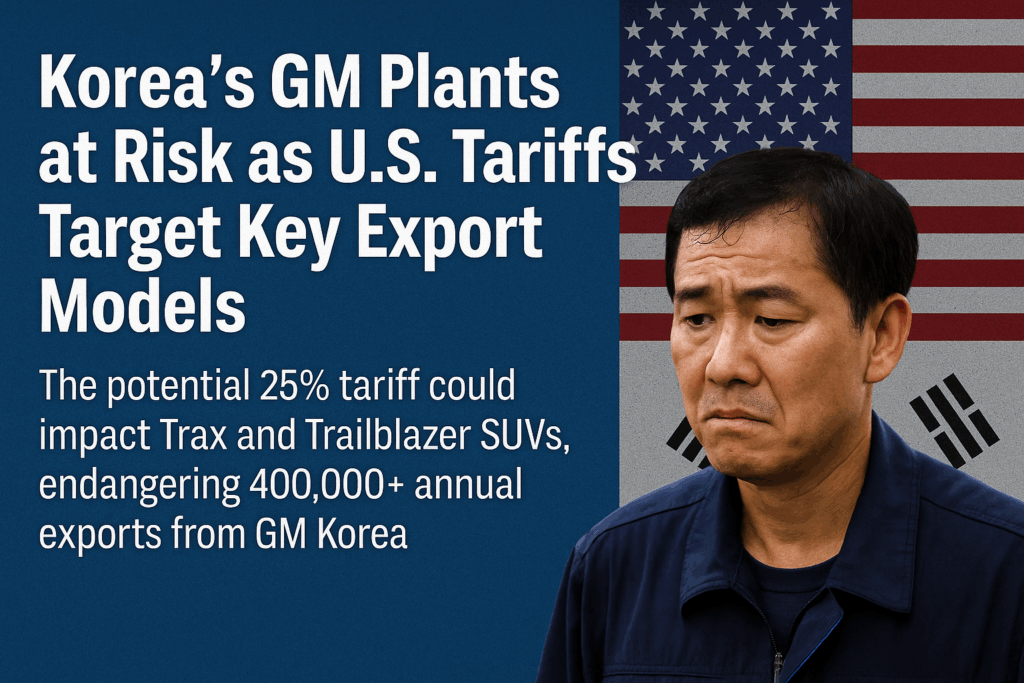
South Korea’s automotive exports face a fresh challenge as the United States considers imposing 25% tariffs under the Trade Expansion Act (Section 232) on select foreign-made vehicles. Among those targeted…
To provide the best experiences, we use technologies like cookies to store and/or access device information. Consenting to these technologies will allow us to process data such as browsing behavior or unique IDs on this site. Not consenting or withdrawing consent, may adversely affect certain features and functions.
Functional
Always active
The technical storage or access is strictly necessary for the legitimate purpose of enabling the use of a specific service explicitly requested by the subscriber or user, or for the sole purpose of carrying out the transmission of a communication over an electronic communications network.
Preferences
The technical storage or access is necessary for the legitimate purpose of storing preferences that are not requested by the subscriber or user.
Statistics
The technical storage or access that is used exclusively for statistical purposes.The technical storage or access that is used exclusively for anonymous statistical purposes. Without a subpoena, voluntary compliance on the part of your Internet Service Provider, or additional records from a third party, information stored or retrieved for this purpose alone cannot usually be used to identify you.
Marketing
The technical storage or access is required to create user profiles to send advertising, or to track the user on a website or across several websites for similar marketing purposes.