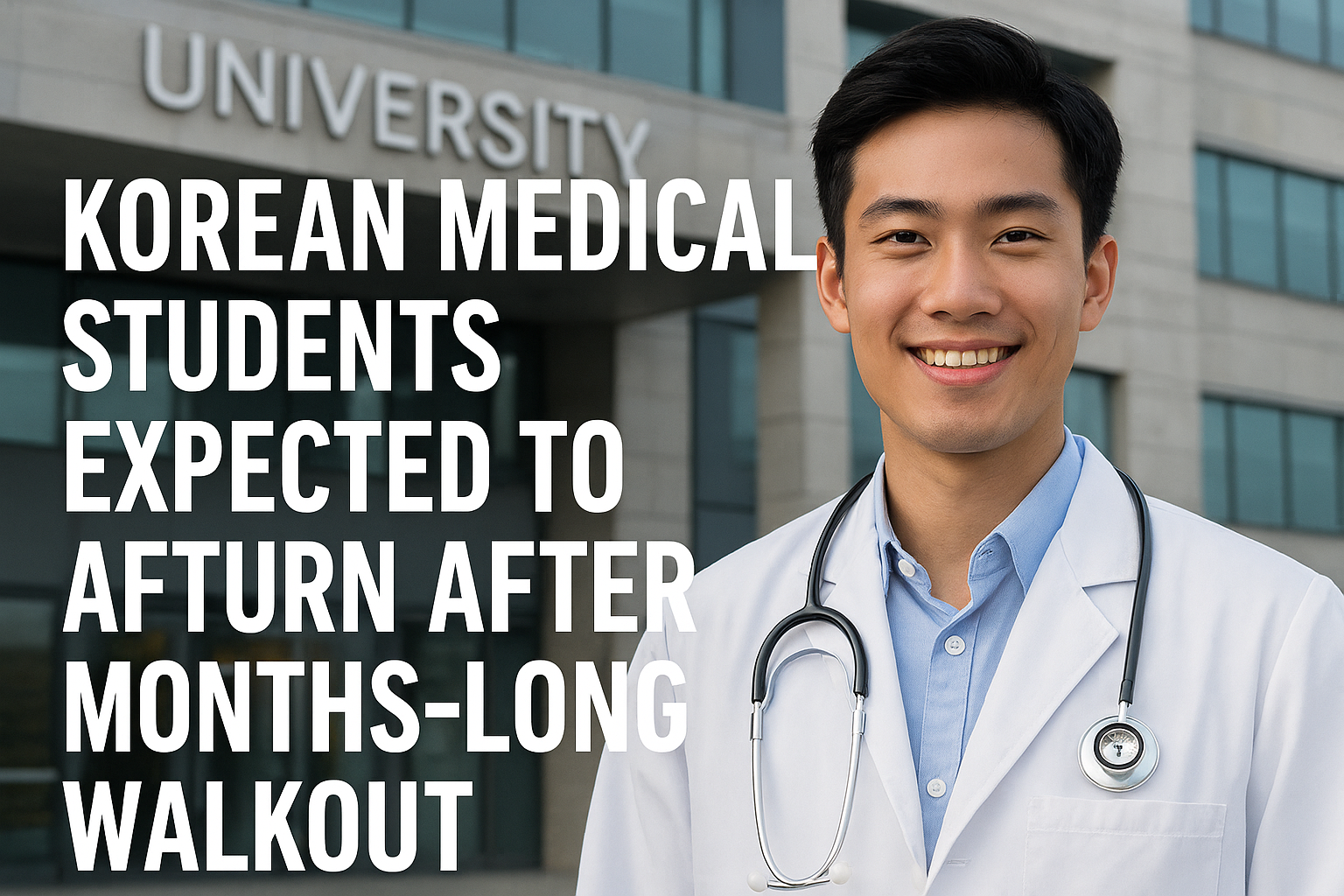
In South Korea, thousands of medical students who left their programs amid prolonged tensions over government healthcare reforms are now expected to return to their universities. According to local reports, the government and the Korean Medical Association have been engaged in weeks of negotiations aimed at easing the standoff, which began when medical students and junior doctors protested the administration’s plan to increase medical school admissions.

Officials say that universities across the country are preparing measures to help students re-enroll and catch up with their coursework. While exact numbers vary, education authorities estimate that most students who withdrew will complete the formal return process by the end of the month.

This decision marks a significant turning point in the standoff between the government and the medical community. Many observers believe that resolving the shortage of doctors will remain a major issue, but the return of students could stabilize hospital services that have been under pressure due to the protests.
My Take:
From my perspective, this situation reflects a deeper pattern in South Korean politics: the stark divide between the ruling and opposition parties, each commanding roughly 50% of public support. I’ve seen this swing play out over the past few years — from the Democratic Party’s dominance four years ago, to the recent switch back from the People Power Party, and now once again under the Democratic Party with a powerful presidential mandate. No matter who is in power, I feel the domestic situation tends to stay equally unstable, with both positive and negative policies happening at the same time. For now, I plan to simply watch how this unfolds.

What’s your view? Will the return of medical students bring real relief to South Korea’s healthcare system? Share your thoughts below!
The Ministry of Economy and Finance (MOEF) announced on December 24 a new tax incentive package aimed at stabilizing the foreign exchange market and correcting structural imbalances in capital flows. The measures are designed to address heightened FX volatility caused by the rapid increase in overseas investments by individual investors and to encourage the repatriation…
First of all, I hate going to the hospital more than dying, but I went to the test with fear because I had to get a mandatory test.I think those who are healthy and have never been to a hospital since birth will deeply sympathize.(Just looking at the picture makes me break out in a…
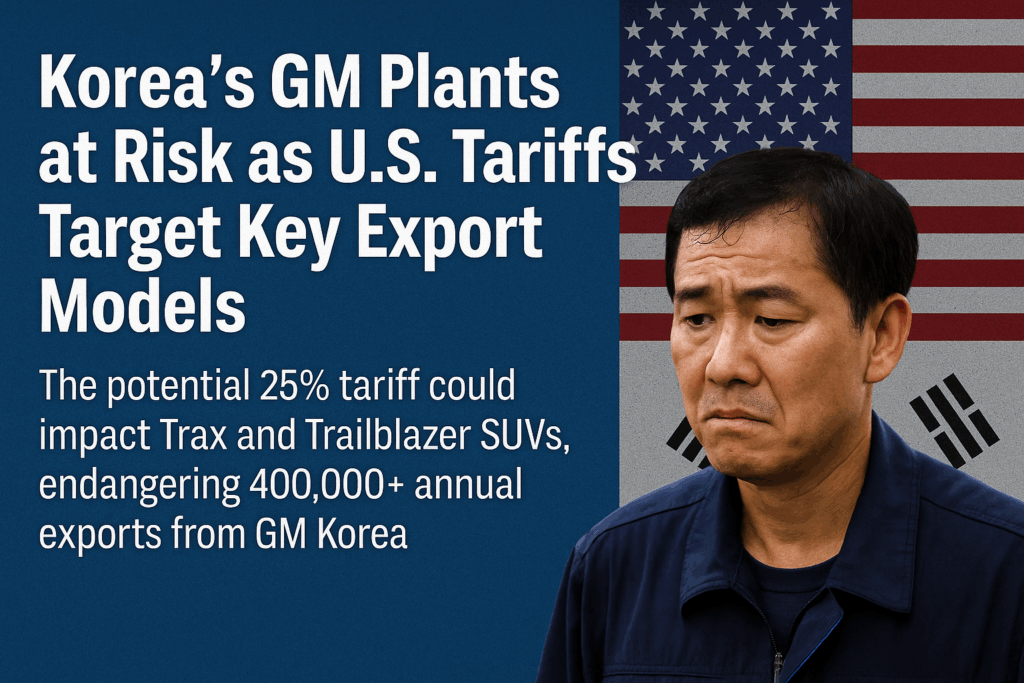
South Korea’s automotive exports face a fresh challenge as the United States considers imposing 25% tariffs under the Trade Expansion Act (Section 232) on select foreign-made vehicles. Among those targeted are GM Korea’s best-selling models, the Trax Crossover and the Trailblazer SUV, both manufactured at GM’s Bupyeong and Changwon plants and exported to North America….
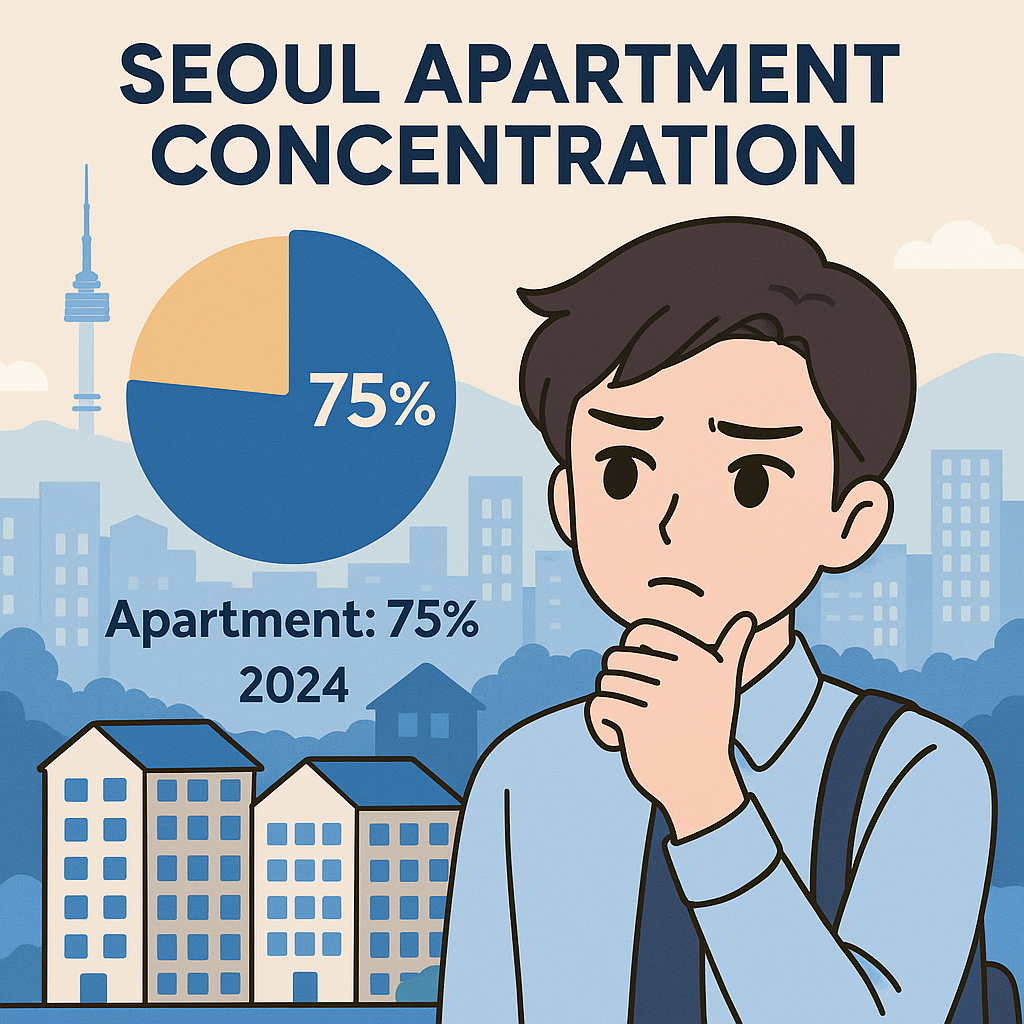
Seoul’s real estate market remains heavily focused on apartment transactions. According to the Ministry of Land, Infrastructure and Transport and the Korea Real Estate Board, as of 2024, over 80% of total housing sales in Seoul are apartments. This figure clearly outpaces transactions for villas (multi-family/row houses) and single-family homes.There are three main reasons for…
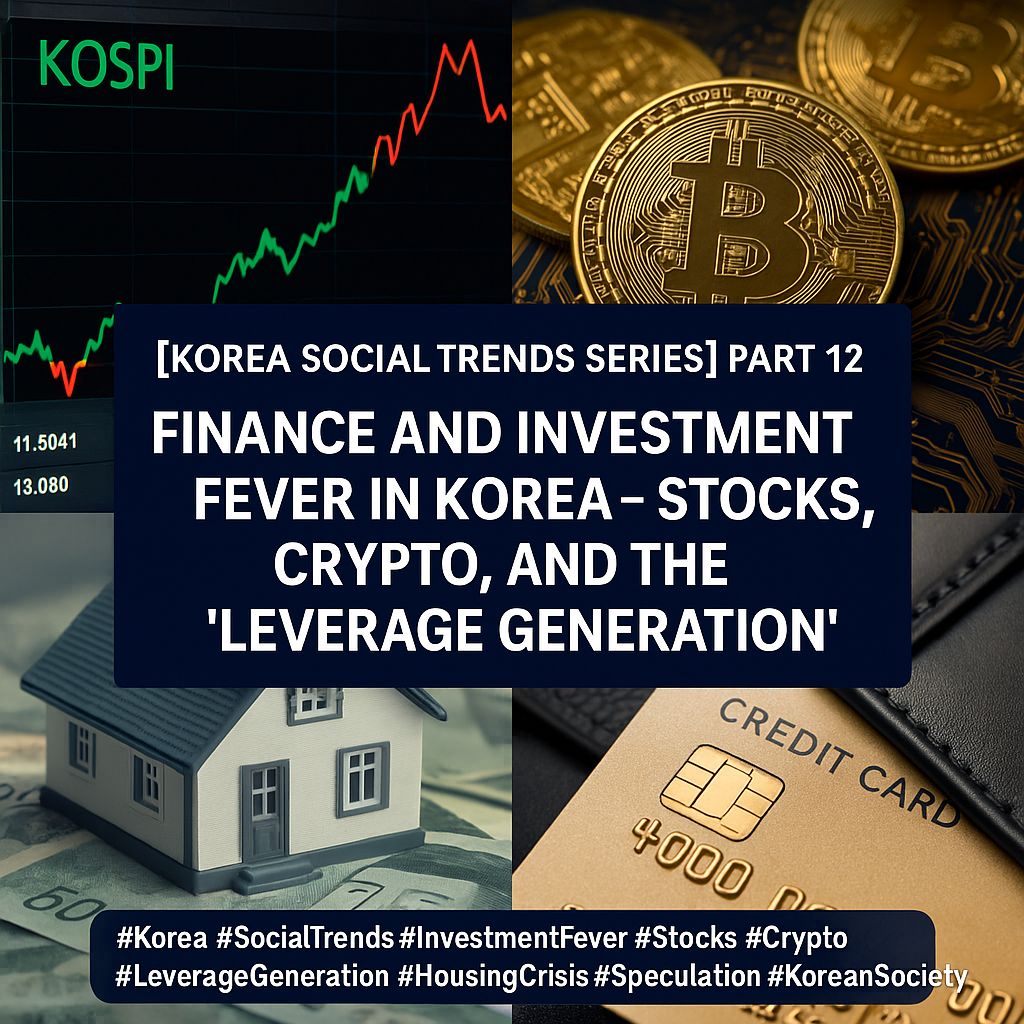
In recent years, Korea has witnessed an extraordinary surge in public interest in finance and investment, particularly among young people. From traditional stock markets to cryptocurrencies and real estate-related financial products, investment has become not only an economic activity but also a cultural phenomenon. This wave is often described with terms such as “영끌” (using…
The Korean National Assembly recently passed several high-profile and controversial bills, including the so-called Yellow Envelope Act (amendments to the Labor Union Act) and revisions to the Grain Management Act, triggering intense reactions from the government, business sector, agricultural groups, and civic society. The Yellow Envelope Act expands collective bargaining rights to include subcontracted and…
To provide the best experiences, we use technologies like cookies to store and/or access device information. Consenting to these technologies will allow us to process data such as browsing behavior or unique IDs on this site. Not consenting or withdrawing consent, may adversely affect certain features and functions.
Functional
Always active
The technical storage or access is strictly necessary for the legitimate purpose of enabling the use of a specific service explicitly requested by the subscriber or user, or for the sole purpose of carrying out the transmission of a communication over an electronic communications network.
Preferences
The technical storage or access is necessary for the legitimate purpose of storing preferences that are not requested by the subscriber or user.
Statistics
The technical storage or access that is used exclusively for statistical purposes.The technical storage or access that is used exclusively for anonymous statistical purposes. Without a subpoena, voluntary compliance on the part of your Internet Service Provider, or additional records from a third party, information stored or retrieved for this purpose alone cannot usually be used to identify you.
Marketing
The technical storage or access is required to create user profiles to send advertising, or to track the user on a website or across several websites for similar marketing purposes.